


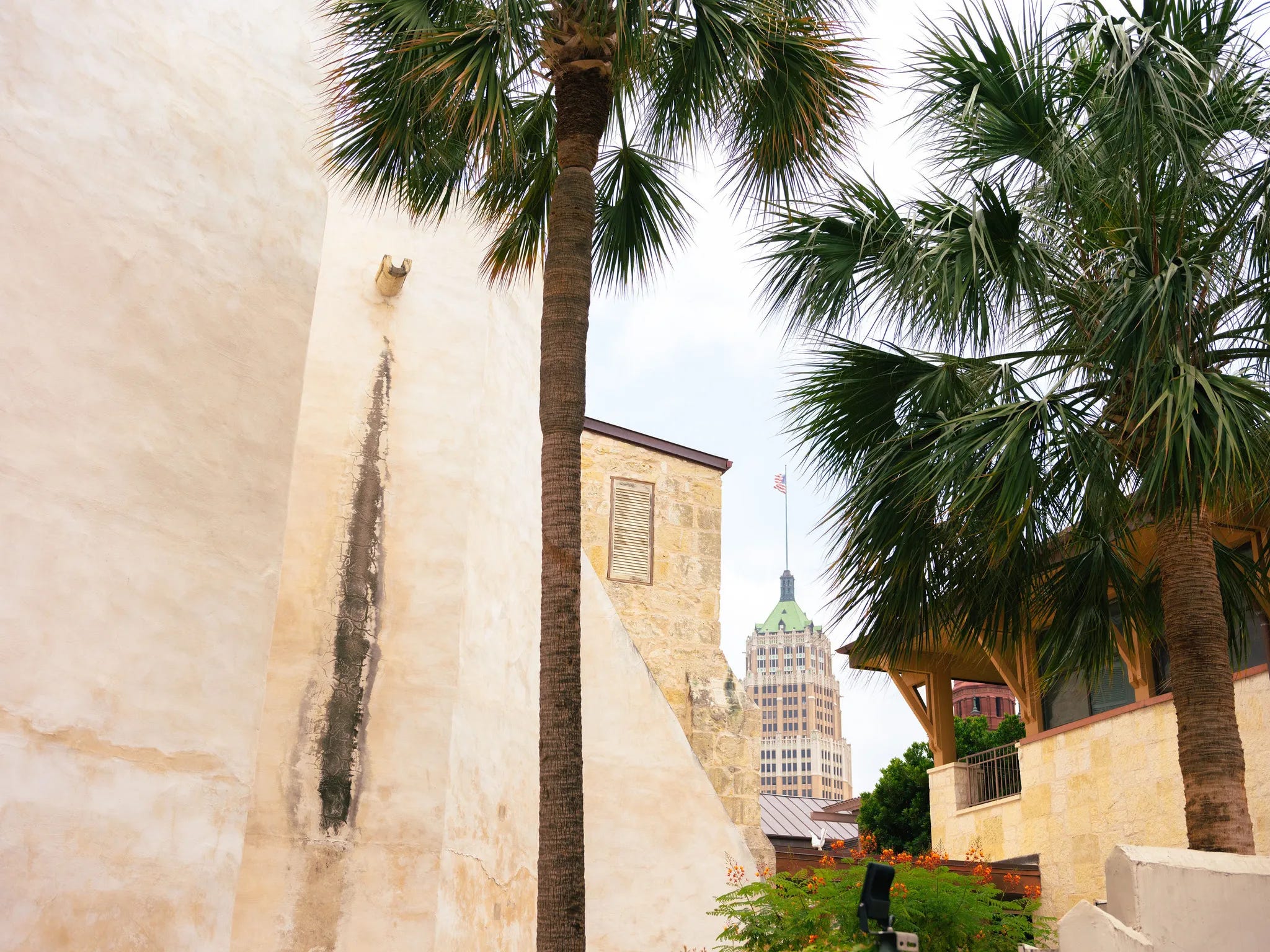
San Antonio is the seventh largest city in America, impressive when you stop to consider it. You could fit San Francisco, Boston, Miami, and Atlanta inside our city limits and still have room for Washington, D.C., Seattle, and Minneapolis. Yet despite its scale, San Antonio often feels like a city caught between two identities: one rooted deeply in tradition, and another quietly reaching toward innovation.
That tension isn’t a flaw. It’s a wide open canvas.
Before I was a pastor on the South Side, I was an artist. I sang backup for the iconically gifted Motown legend Diana Ross, performed for years with The Gap Band, acted in Broadway shows, and traveled to over 200 cities. I’ve learned to recognize the quiet signals of a city’s ambition, like the rise of independent businesses, the evolution of culture, and the kinds of voices a city chooses to uplift. I’ve seen what forward motion looks like. San Antonio has all the right ingredients. But something still asks us to pause and to cautiously slow our stride.
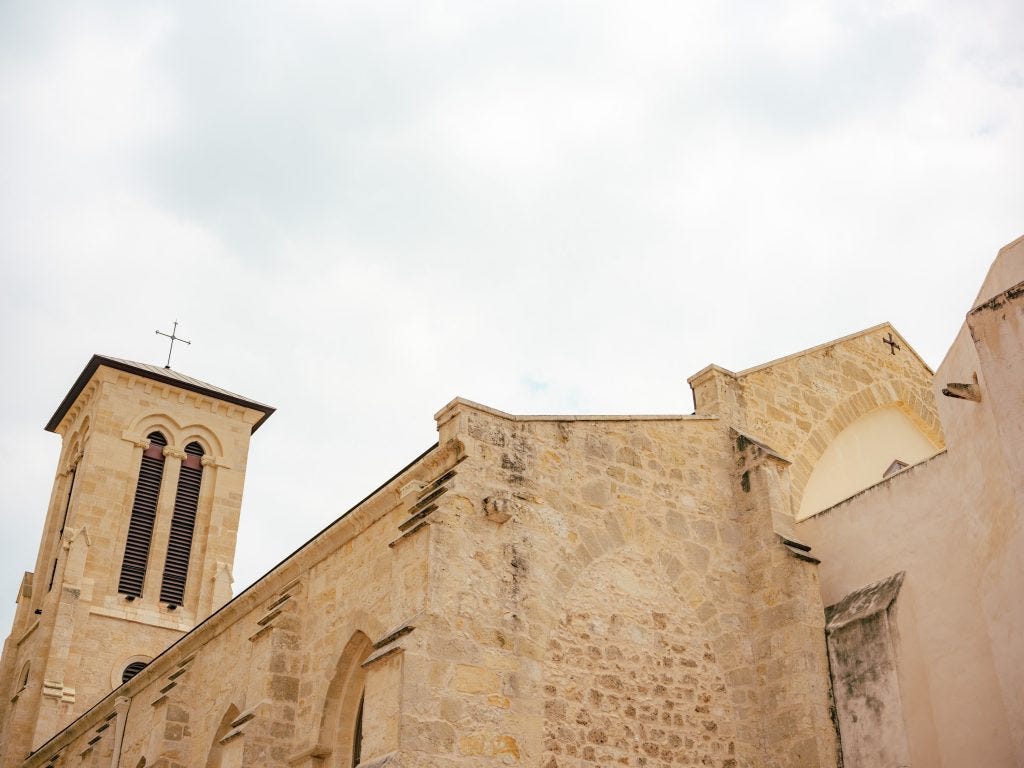
Every day, I step out of my church and see Mission San José, sacred, still, and breathtaking. The weight of sacrifice and legacy, right there in front of me. But legacy, left unawakened, can become a museum of potential. That’s the tension I sit with. In San Antonio, tradition is our pride, but sometimes, if we’re not careful, it can also be the line we don’t cross.
Tradition should be a tool, but too often, we hold it like a trophy. This instinct to protect the past is understandable. Our rituals and culture are worth honoring. But when reverence turns into resistance, it stifles momentum. Time and again, I’ve watched gifted innovators arrive in San Antonio, eager to plant roots and build something meaningful. But too often, their enthusiasm meets indifference. Eventually, the question shifts from “How can I serve this city?” to “Is there room here for what I’m bringing?”
Years ago, I opened my home on Fridays for local songwriters, beautiful evenings of creativity, laughter, and hope. A dozen hearts leaning in. Today, only two of those voices remain in San Antonio. The others didn’t leave with resentment; they left with hope, hope to be nurtured and known in ways they couldn’t quite find here yet.
San Antonio has a beautiful culture of humility. We don’t crown stars, we keep everyone on the same ground. But even strengths can cast shadows. When we downplay brilliance in the name of sameness, we risk losing the very voices that could propel us forward. We say we support talent, but do we echo it loud enough for the world to hear? We don’t scale it. We don’t sell it. We tell stories through people, not platforms. We use disposable cameras when what we need is a cinematic lens.
This isn’t just about art. It’s about business, policy, and progress. Whether it’s a creative idea or a community investment, the question is the same: will San Antonio champion it, or quietly let it stall?
Ten years ago, I moved here for ministry, but I stayed because of the people. I saw something rare, residents who love their city and want to build something meaningful. I still believe in that energy. But love for a place doesn’t just mean preserving it as it is. It means believing in what it can become.
When I travel, I pay attention to the signs of momentum. And for me, one of the clearest signs is coffee shops, not just places to grab caffeine, but idea exchanges. Risk taking, open door spaces where artists, entrepreneurs, and thought leaders come together. Coffee shops can be cultural tells. When a city welcomes new ideas, it creates space for them to grow. I see that happening here in places like Poetic Republic, Sip & Sit, and Halcyon. These aren’t just cafés. They’re where momentum gathers. They’re proof that the city has a pulse.
But too often, that pulse gets interrupted. A new housing development is proposed, and people ask, “Why is it so expensive?” A downtown arena is floated, and the first question is, “But what about traffic on 1604?” These are what I call first mind responses, snap judgments that don’t survive a second layer of thought. We say we want progress, but only if it doesn’t inconvenience the present.
We will be patiently traditional, but not patiently progressive.
We need to ask harder questions. What role will we play in shaping the next two decades? What kind of city do we want our children to inherit? Will we still be a place where talent leaves because it’s easier to shine elsewhere? Or will we build systems that celebrate brilliance, invite experimentation, and make space for reinvention?
Preserving our roots matters. Not everything from the past needs to disappear, but some things may have reached the fullness of their purpose. That includes our stories, our spaces, and yes, even our sacred cows. The goal isn’t to erase legacy. The goal is to build from it.
The challenge before us is simple, but difficult. Can we be brave enough to let go of what no longer serves us and bold enough to create what the future demands?
I understand this might challenge some perspectives. But discomfort isn’t the enemy, it’s the invitation to something greater. If we are truly serious about honoring our incredible city, we must move from preservation to participation. If you’re still here, still investing, still believing, then you carry a sacred duty: to hold hands with the past while intentionally and fervently reaching toward the voices rising now.
We, the dreamers, owe them conversation. We owe them clarity. And we owe them celebration.
That’s how we honor the legacy.
That’s how we create the momentum.
And that’s how we begin to write the San Antonio story that hasn’t been told yet.
THE VOICE:
Pastor Courtney Beard
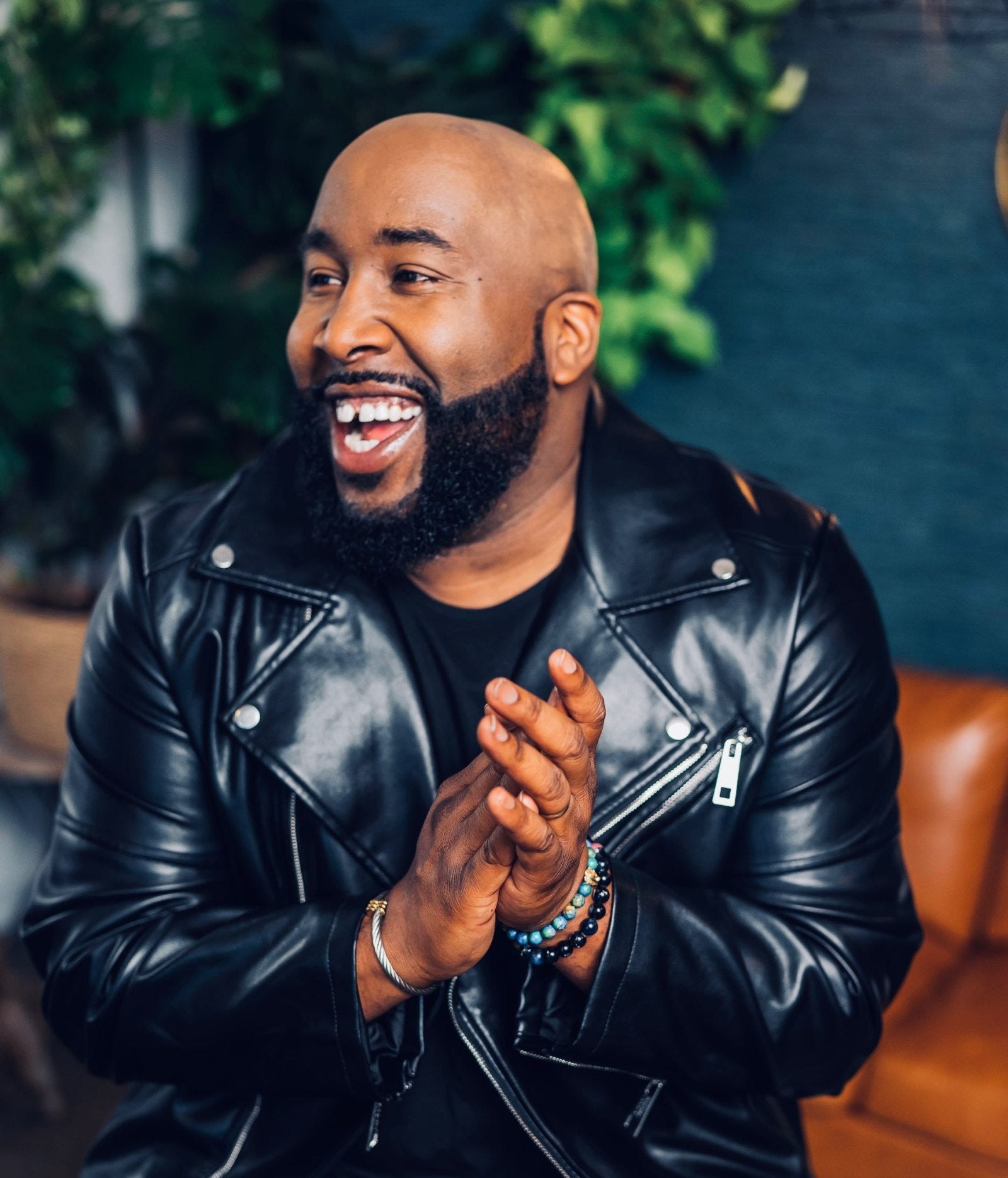
Courtney Beard is often the silent fingerprint behind some of the loudest shifts in culture, influence, and innovation. A former touring artist and stage actor who’s shared the spotlight with legends, his creative roots run deep—but his impact runs even deeper. Now a sought-after life coach, media strategist, and consultant to visionary leaders across coast-to-coast industries, Courtney is helping high-level influencers shape the future from the inside out. With over two decades in full-time ministry and a legacy of blending faith with cultural relevance, he now leads as Founder and Lead Pastor of The CLLXTV—a next-gen church and movement based in San Antonio that empowers artists, creatives, and entrepreneurs to live out loud with their faith. From Emmy-winning television to culture-shifting Monday School teachings, Courtney’s voice and vision echo across platforms. Whether in a green room or on a stage, in the studio or behind a strategy call, Courtney Beard is not just leading moments—he’s engineering movements.