Several years ago, when I was CEO of the 80/20 Foundation, a young man joined our team. He was kind, intelligent, and deeply passionate about public education. At some point during his time with us, he made a bold announcement: he was going to run for the San Antonio Independent School District (SAISD) school board.
At first, it seemed like a long shot. He was new to the city, didn’t come from a political family, and wasn’t backed by a major donor network. Most people in town had never even heard his name. And to top it off, he was challenging a longtime incumbent with deep roots and a well-established presence in the district—someone many considered untouchable.
So when he told me he was running, I supported him—but privately, I braced for the uphill battle. This was the kind of race that usually ends in a hard lesson, not a close call.
And then the votes were counted.
He lost by just 401 votes.
That race changed my perspective forever. A political newcomer—without institutional support or name recognition—nearly pulled off what most thought was impossible. That wasn’t a fluke. It was a signal. It proved that even the most “untouchable” seats in San Antonio are within reach if you show up and put in the work.
And in that moment, I realized something important:
Because our voter turnout is so low, the impossible isn’t just possible—it’s right there for the taking.
Let’s look at the facts. In the 2021 city election, only 17% of registered voters turned out. And in 2011, turnout for a local election dropped to an all-time low of 6.7%. That’s not just low—that’s dangerously low. When fewer than 1 in 10 people vote, decisions that affect all of us are made by just a few of us. That’s a civic problem that should concern everyone.
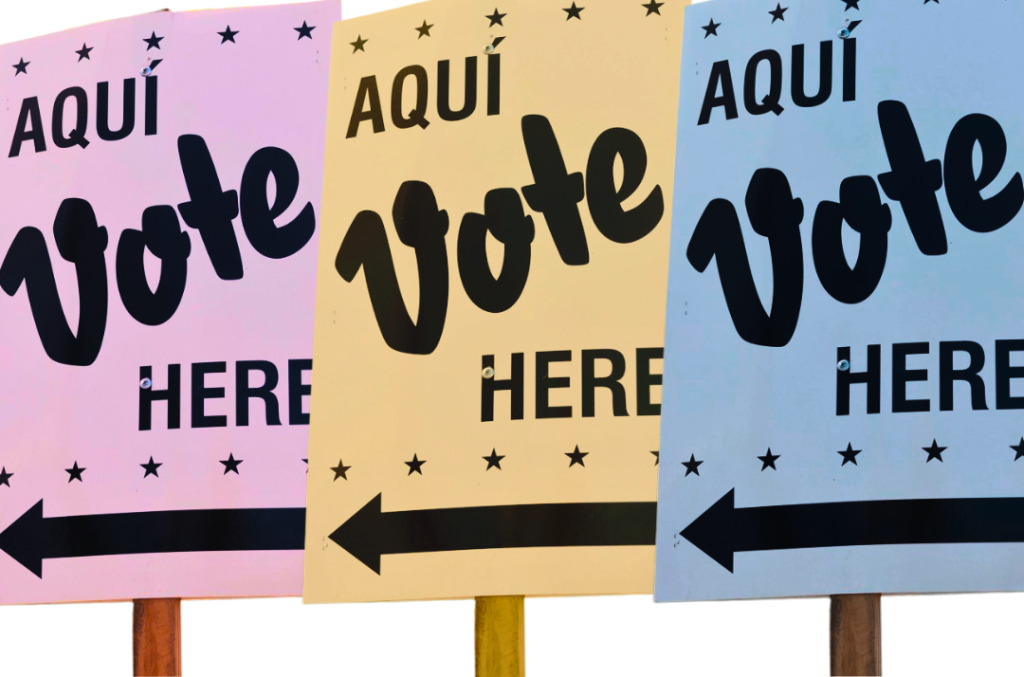
But—and this is a big but—that low turnout also creates an opportunity. Because when so few people participate, the impact of just a few hundred votes can shift everything. It means someone without big money or big connections can still make big moves.
We’ve seen it happen. Mayor Ron Nirenberg didn’t grow up in San Antonio—he moved here and worked his way into the city’s top office. Councilwoman Sukh Kaur moved here to work in education and ended up winning one of the most competitive council races in the city.
And here’s one of my favorite real-world examples: my friend Mike Villarreal, who won his first race for State Representative by just one vote. Not 100, not 10—one. Your vote matters more than you think.
(By the way, Mike’s currently running for the SAISD school board, and you should absolutely vote for him. ;))
Now, to be fair, I don’t want to paint this as an all-upside situation. Low barriers to entry are great for newcomers—but they can also create Candidate Confusion, something I’ll be writing about soon. Case in point: 27 people are currently running for mayor. That’s not always a sign of civic health—it can also signal that we haven’t put enough structure around the process. But more on that next time.
For now, here’s what I want you to take away:
Yes, San Antonio has a voter turnout problem. But that problem is also a path—an open invitation to step up, show up, and make change.
The next election is May 3.
And in San Antonio, anyone can charge the castle.
Even you.
——
Citations
Mike Villarreal Wins by One Vote
Mike Villarreal won his first election for Texas House District 123 by a margin of one vote.
Source: Texas Monthly – Close Call Elections
San Antonio 2021 Voter Turnout – 17.26%
Voter turnout for the May 2021 San Antonio municipal election was 17.26%.
Source: Wikipedia – 2021 San Antonio mayoral election
San Antonio 2011 Record-Low Turnout – 6.7%
In 2011, San Antonio’s voter turnout for a local election dropped to 6.7%, one of the lowest in city history.
Source: CINow – Voting Change Report, June 2018 (PDF)