




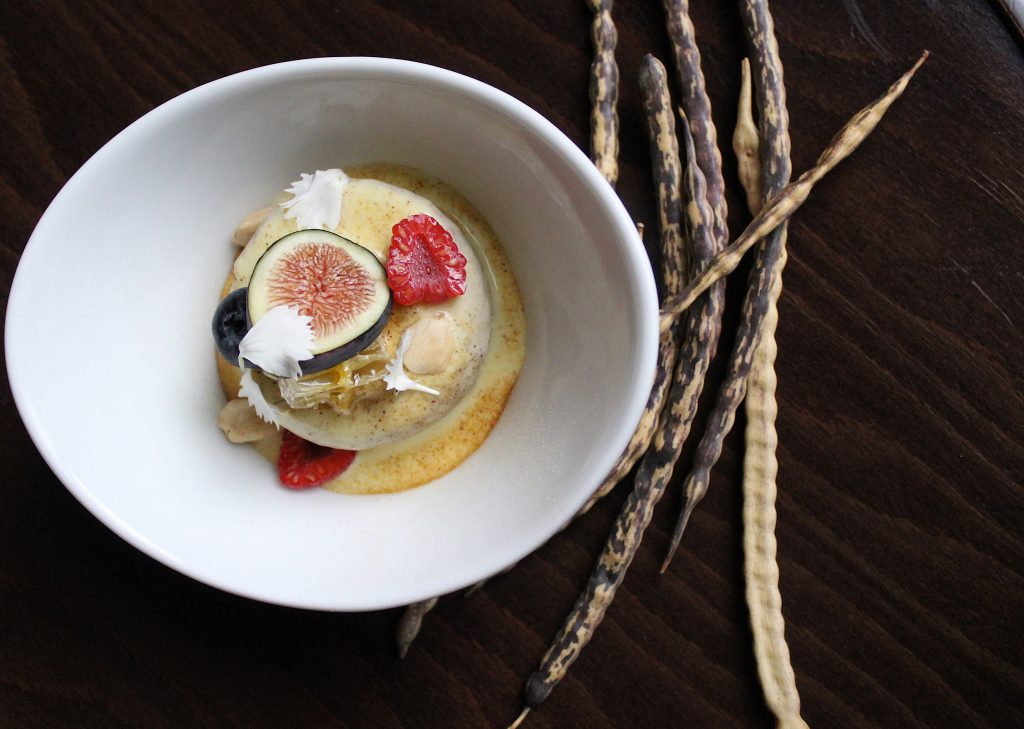
When I moved from New Orleans to San Antonio more than a decade ago, I didn’t yet know that this city would become home. What began as exploration has grown into a lifelong commitment to place and to the history that lives in its food. I started by studying what people ate before the Spanish arrived: cactus, rabbits, snakes, small pigs, even buffalo. Those ingredients told a story of survival, but also of ingenuity. I discovered that the nomadic tribes of this region relied on things like mesquite beans long before modern kitchens rediscovered their flavor. That rich history of the land and its ingredients became a constant source of inspiration. It shaped my philosophy for Cured, where local sourcing sits at the heart of everything we do.
San Antonio’s culinary history runs deep, from indigenous roots to Mexican and German influences, and there is always more to uncover. Even after a decade of running Cured, I’m still learning from this city’s traditions and the people who carry them forward.

Growing up on a dairy farm in Wisconsin, the idea of farm to table wasn’t a movement, it was just life. I was one of seven brothers, and my parents raised hogs, chickens, geese, and ducks. We canned, pickled, and fermented because that’s how you made the harvest last through winter. That rhythm of respect for the land and its bounty never left me. When people hear that I’m a multi James Beard nominated chef with a background in New Orleans kitchens, I hope they understand that Cured isn’t about prestige or trends. It’s an extension of my own story, a sustainable, seasonal restaurant rooted in the values I grew up with.
As chefs, I believe we have a responsibility to protect our environment, to respect our produce, and to source the most natural ingredients possible. Here in South Texas, we’re fortunate to have incredibly fertile land and an almost year round growing season. It allows us to build menus that breathe with the rhythm of nature. At Cured, that means the menu doesn’t stay static. It changes with the fields and the relationships we’ve built with local farmers and ranchers. For me, that’s the beauty of it, the restaurant is alive, guided by seasonality and community.
That connection between food and life became even more personal after I was diagnosed with non Hodgkin’s lymphoma. When I got sick, I didn’t fully understand how much food influences our health, but that journey changed everything. Studying nutrition, working with local ranchers and growers, and recognizing the impact of what we put into our bodies all shaped the next chapter of my career. Healing and curing took on new meaning. With Cured, I wanted to build a place that embodied both.
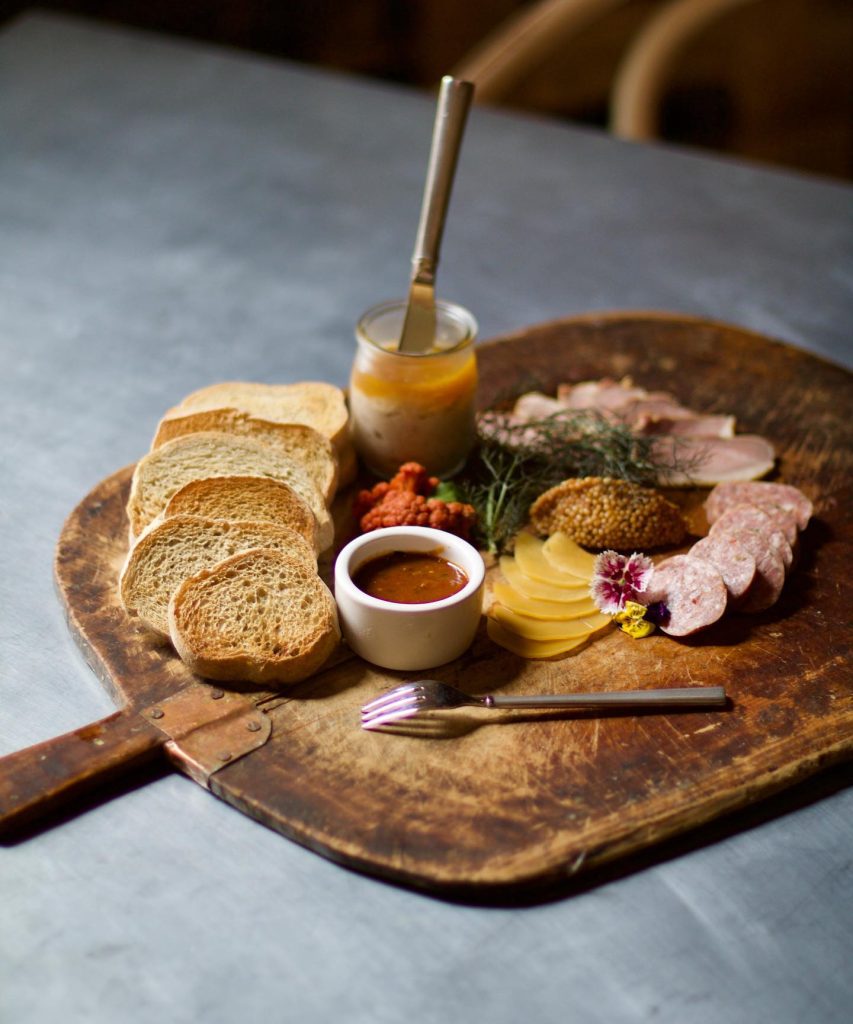
We cure our heritage Texas meats anywhere from three to twelve months depending on the cut. It’s a slow, delicate process that demands patience, just like healing does. That same care is reflected across the restaurant, from the handcrafted cocktails and bitters to the pickles, preserves, and mustards we make in house. Cured became not only a restaurant but a reflection of my childhood in Wisconsin, my culinary education in New Orleans, and my hard won second chance in San Antonio.
The Chef’s Table at Cured grew out of a similar desire, to experiment, connect, and share the story behind the food. It allows us to try more adventurous dishes without changing the entire menu and gives diners a front row seat to the creative process. Sometimes, we only have enough of a special ingredient for one night, and the Chef’s Table becomes a way to honor it. After more than ten years, I’m grateful for the loyal guests who return for their favorites but also trust us to keep evolving.
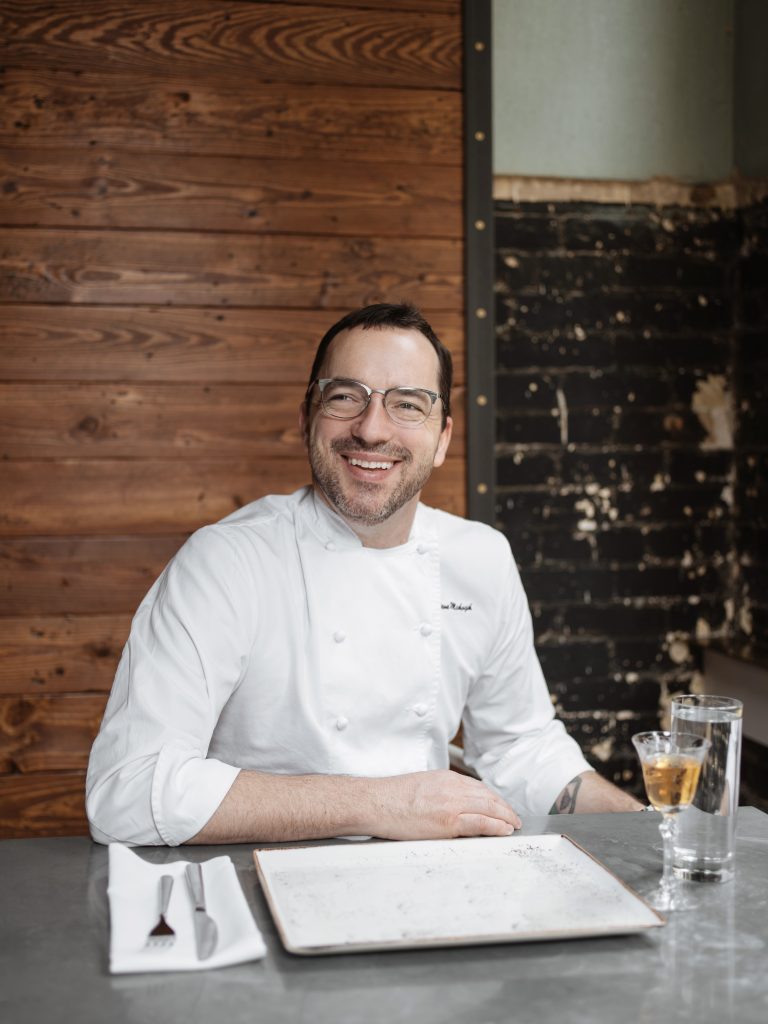
Beyond the food, I wanted Cured to feel like a place where time slows down, a space where friendships and community could cure too. The physical space matters; it’s designed for connection, whether that’s between guests and chefs at the table or between staff and farmers behind the scenes. The relationships we’ve built with local ranchers and producers are inseparable from who we are. When we buy a 1200 pound steer, we use every part of it. Nothing goes to waste. It’s about respecting the animal, supporting the rancher, and cooking with integrity.
When I think about why I’ve stayed in San Antonio, it comes back to the people. From the moment I arrived, I was struck by the close knit culinary community. Chefs like Jeff Balfour, Bruce Auden, and Andrew Weissmann reached out to welcome me. Those relationships have grown through shared dinners, collaborations, and a belief that we can collectively elevate this city’s dining scene. It’s been incredible to watch San Antonio’s culinary landscape evolve, to see it blossom into one of the most exciting food regions in the country.
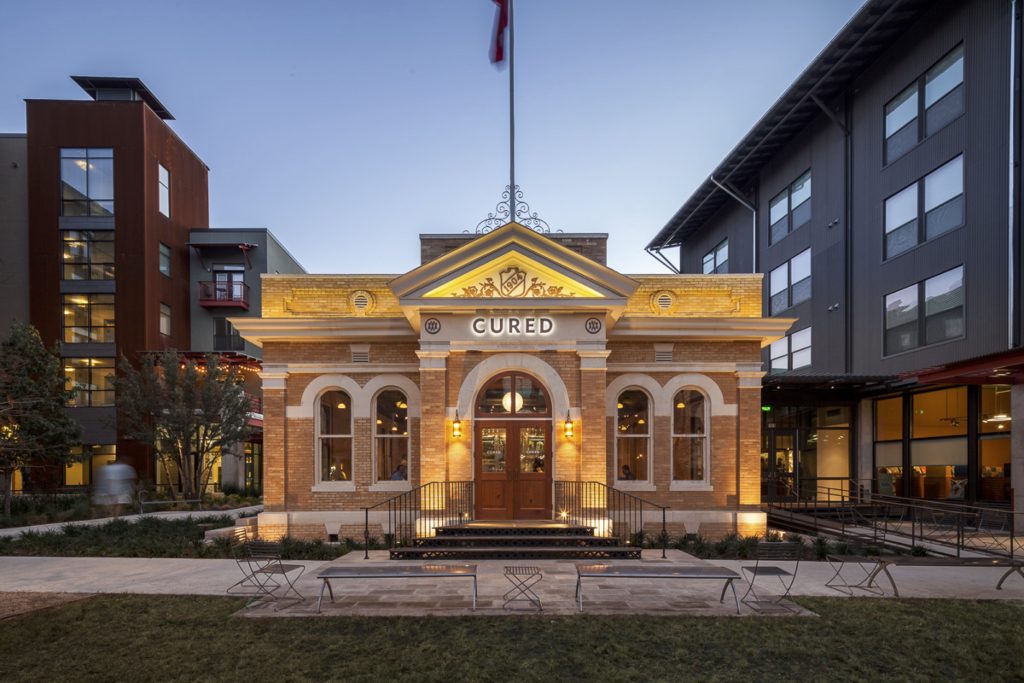
Looking ahead, I’m always drawn to innovation that deepens quality rather than distracts from it. Right now, I’m experimenting with Meatico’s dry aging cabinet, which allows for precise control over temperature, humidity, and safety, even through an app on my phone. Tools like that give chefs the chance to refine our craft responsibly, ensuring every ingredient is honored from start to finish.
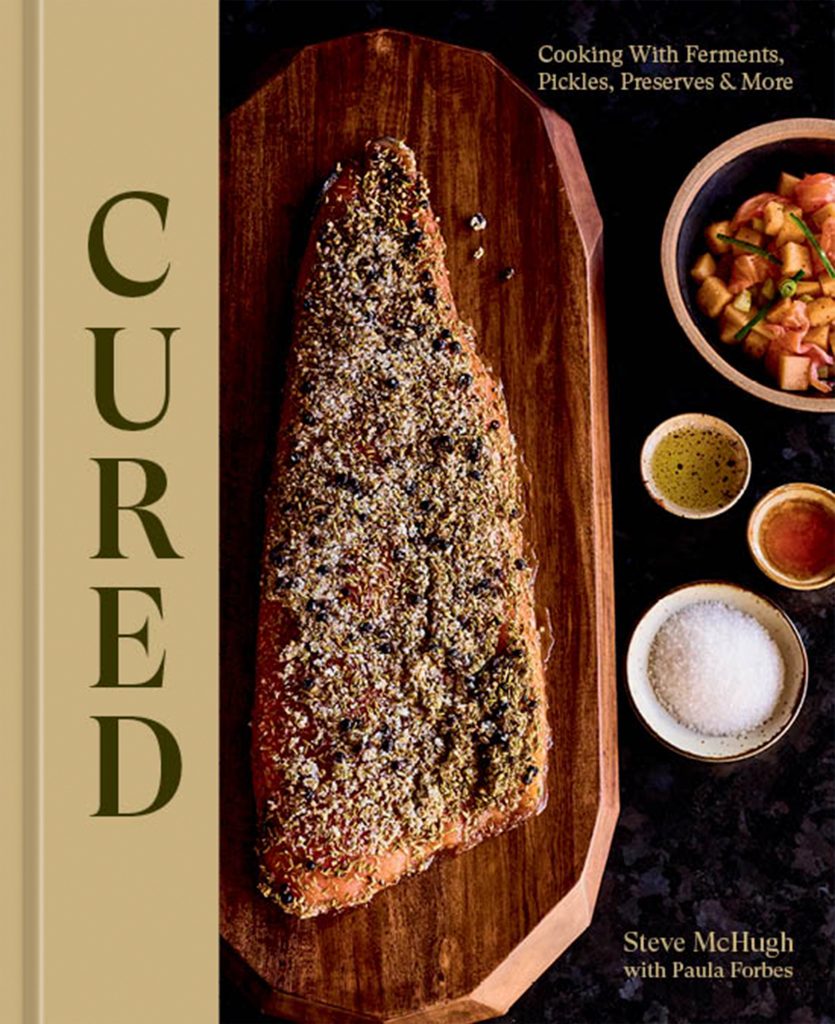
San Antonio feels like the right place for this kind of work, rooted in history, alive with collaboration, and open to reinvention. I could live anywhere, but here, I’ve found the balance between heritage and progress. This is where I can keep learning, keep experimenting, and keep giving back to the community that embraced me. For me, that’s more than enough.