

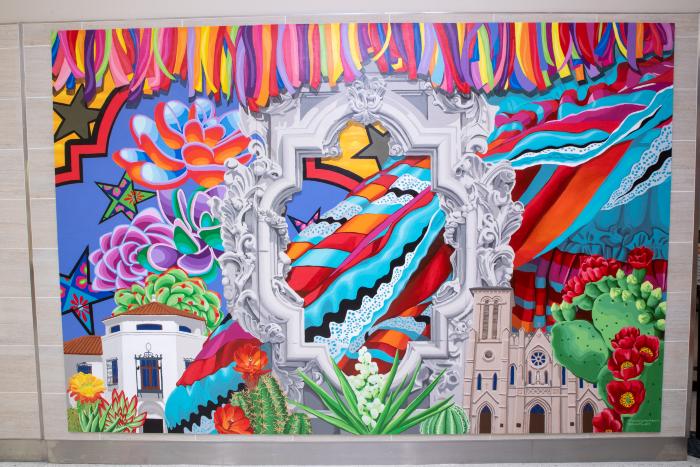
All great places have civic wealth: shared elements that elevate everyday human life—walkable streets, beautiful buildings, shade trees, plazas, local businesses, and access to nature. These communal resources make the simple joys of life easily available.
Great places aren’t purely economic machines built for efficiency. They are human places; places for work, creativity, rest, connection, and worship. They lift the human spirit and marry the physical with the transcendent, the finite with the infinite. They reflect our paradoxical condition. In a great place, you feel your feet hitting pavement and your soul soaking in beauty. You are enticed to walk, wander, and explore.
Civic wealth enables a sense of place, and place creates belonging. It instills civic pride. Distinct landmarks and local institutions anchor stories and memories that pass down from generation to generation and link us together in time.
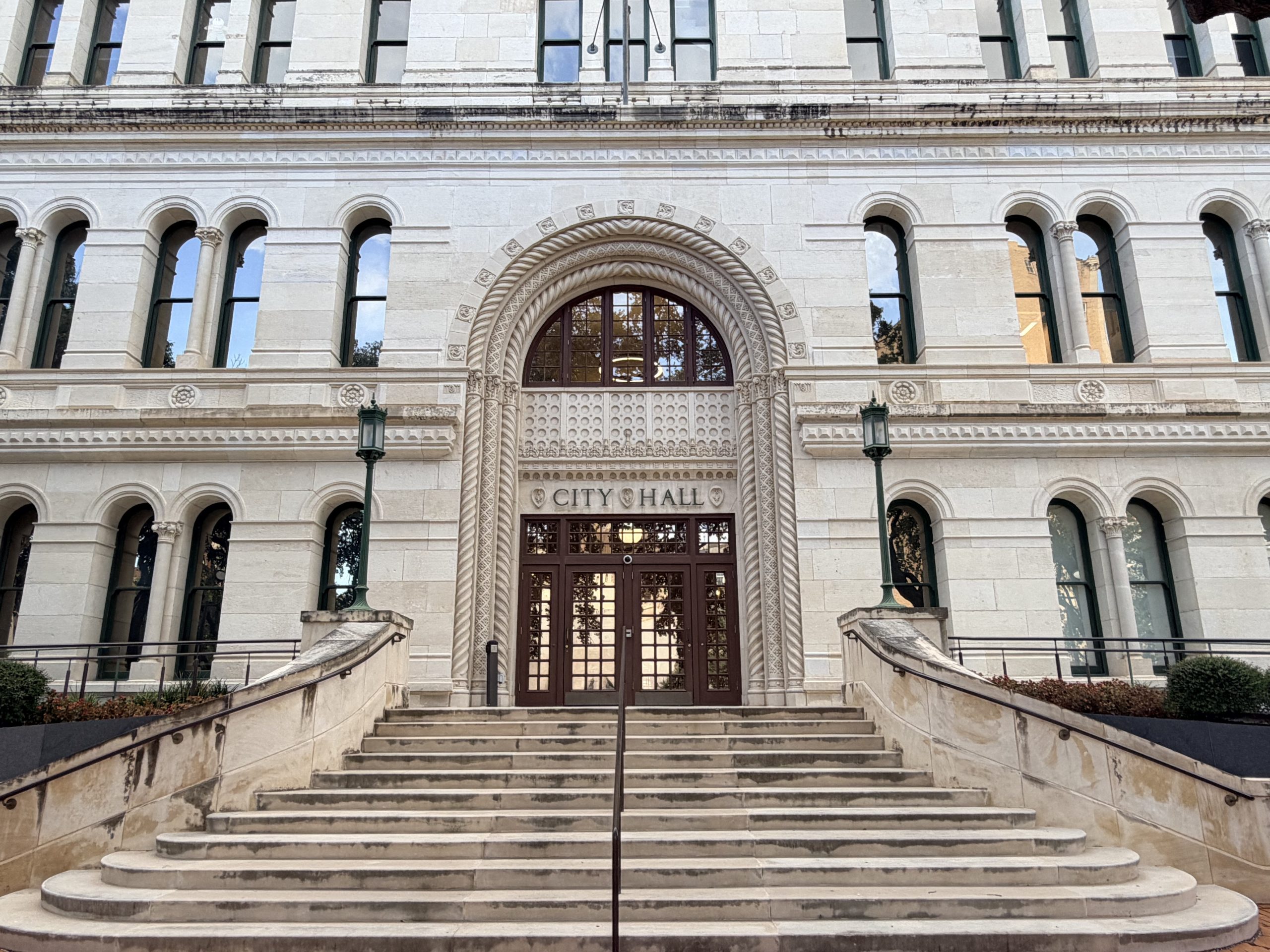
We once had civic wealth. We can grasp its remnants in the architecture of our historical buildings and in the old-world feelings we get in some of our great parks. We sense it in the bricks of the Pearl, the limestone of the Missions, and the riverbanks of Brackenridge Park.
We love these places.
But automobile dominance, bolstered by modernist zoning codes and financial incentives, has eroded civic wealth. Instead of connection, it produces separation and isolation. It fosters anxiety and makes life feel quick, hurried, and impatient. Automobile dominance took what was rich and whole, severed it into parts, laid them out, and counted the remains.
At this crossroads of identity, amid volatility and turmoil, I cannot think of a better goal for our city than to rally around building civic wealth again.
Why?
In a fragmented world, beauty unifies. It is pre-analytical. You know something is beautiful before you can fully explain it. Beauty elevates our spirits. It gives hope and exposes the ugly. It moves us toward the ideal and frees us from anything less.
Walking humanizes. It forces you to experience your environment differently than driving. You slow down. You greet your neighbors. Safe, pedestrian-oriented streets give children autonomy. They play, explore, socialize, and gain confidence.
We all want more of this. But how do we get it back? How do we invest in beauty, walkability, and community? Automobile-dominated sprawl feels unstoppable. It seems as if forces beyond our control are at work. How do we curb it? How do we stop it?
I’ve discussed in previous articles the need to reform our antiquated zoning ordinances and invest in more walkable infrastructure. We must also reverse the mechanics and perverse incentives that fuel sprawl.
Sprawl is like a weed overtaking a once-beautiful garden. It rises above the rest and soaks up the sun. The shade it casts warps and kills everything beneath it, draining the soil of nutrients. To compete with it, we must do more than uproot it. We must nurture the rest of the garden. We must cultivate plants that are dense, rich, diverse, and elevated.

We must incentivize the market to prioritize civic wealth over sprawl.
Think of it this way: why are there so many movie remakes? Hollywood sticks to what has already been proven. It is safe. The same pattern governs development. Builders and buyers take comfort in what has worked before. They hesitate to risk the unproven. If we want creativity, we must de-risk it. We must incentivize it.
What do incentives look like? I am not proposing we hand developers any tax break they desire. I am proposing incentives tied directly to civic wealth, shaped by the public’s priorities.
For simplicity, civic wealth incentives can fall into four categories: public gathering spaces, green spaces, beauty, and legacy.
For public gathering spaces, we can waive permitting fees, utility tap fees, and offer targeted tax incentives for developments that include plazas, wide sidewalks, and narrow streets. In short, we can incentivize the next Pearl or the next Main Plaza. Developments that enhance public space enhance civic wealth. Trading short-term revenue for long-term wealth is fiscally responsible.
For green spaces, we can counteract sprawl by offering tax incentives and grants to properties that convert excess asphalt into greenery. Imagine struggling retail centers transforming desolate parking lots into vibrant micro-parks. Over a decade, every neighborhood in San Antonio could gain a dynamic gathering place.
We can also incentivize cluster development that preserves natural areas. Instead of spreading 500 homes across 100 acres, we can encourage building on just 25 acres and preserving the remaining 75 as a natural area open to residents and to the public. Over time, our Hill Country could be preserved not only by regulations, but by aligned incentives.
Much of our modern development is temporary because it is built with temporary materials. We can incentivize durable, beautiful construction by offering fee waivers and tax breaks for masonry buildings. Brick, stone, and real stucco create depth and shadow. They endure and they make a confident statement about our values.
We can beautify neighborhoods without displacing residents by offering long-time homeowners property tax relief if they maintain their properties to a defined standard. We can have both beautiful neighborhoods and long-term community. Instead of fearing investment, neighborhoods can welcome it.
Legacy small businesses can qualify for tax freezes that allow them to remain locally rooted and generationally enjoyed. This creates continuity and heritage. Memory is crucial to sharing a story, and shared stories are critical to culture.
Incentives are decentralized tools. They muster the power of the market and direct it toward public objectives. They enable widespread, small-scale innovations. For so long, we have attempted to micro-manage to achieve the public’s will through zoning, codes, and ordinances. The result is a built environment that reflects the bureaucratic processes that created it rather than the values of the people it serves. We get ribbon cuttings and mega projects in few places, and stagnation and apathy everywhere else. Incentives can empower individuals to fix our communities. To change our neighborhoods. To feel responsible again.
The forces of sprawl are not inevitable. It will take time, but we can put the pieces back together. We can be rich again in what matters.