

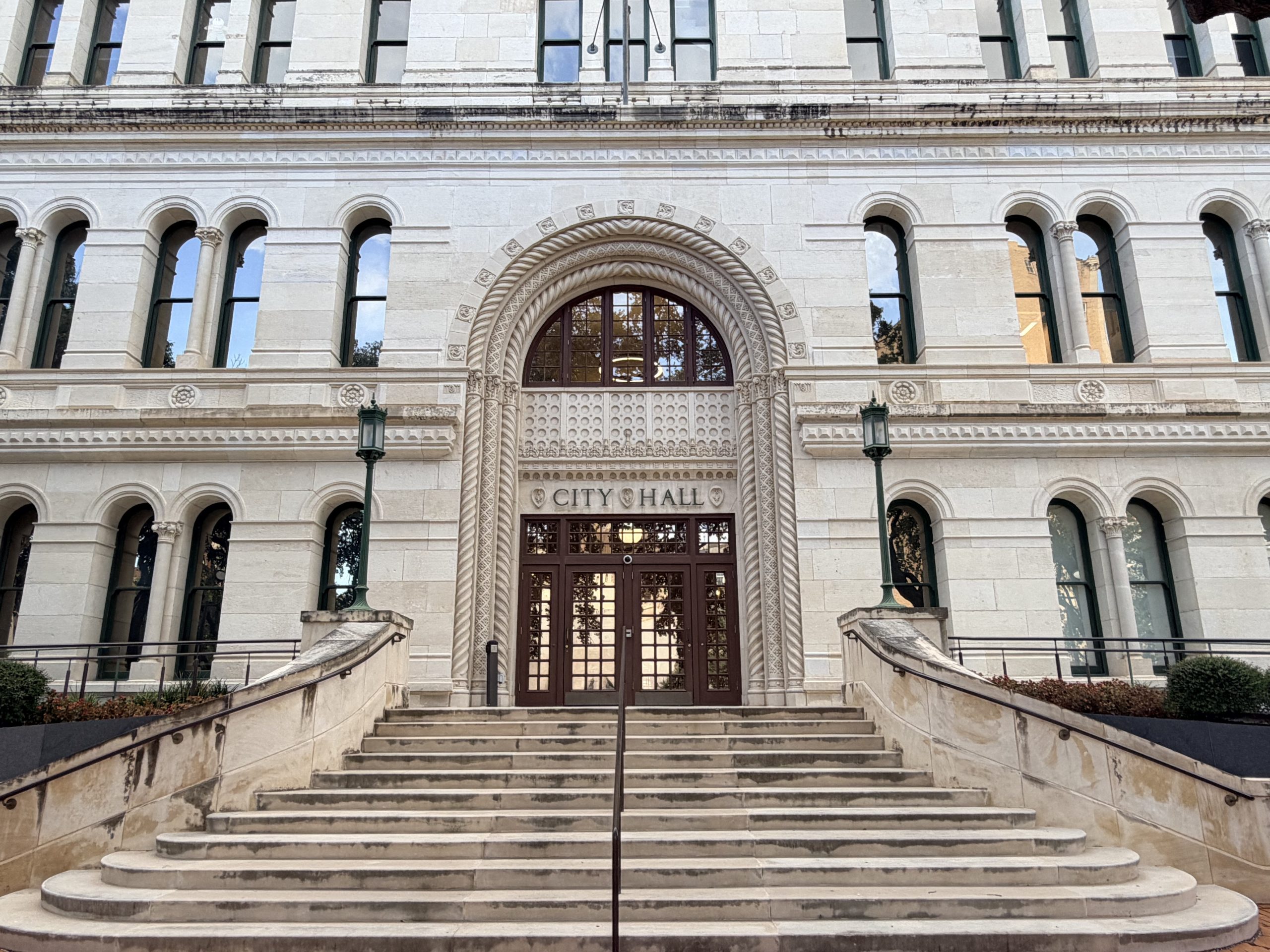


In our most recent election on May 3, 2025, only 9.26% of registered voters cast ballots. For a local election—arguably the level of government with the most direct impact on our daily lives—this is a pathetic turnout and, quite frankly, a sign of systemic failure. When fewer than one in ten voters participates in choosing their local representatives, we do not have a healthy, functioning democracy.
Please, read Alexis de Tocqueville’s Democracy in America. De Tocqueville, a French aristocrat, was sent to observe early American democracy and compare it to post-revolutionary France. He was an astute and brilliant observer of human nature. His most enduring insight was that town hall meetings and local civic associations were the foundation of American democracy. These local, self-governing institutions formed the bedrock of political life. It was at the local level where civic muscles were exercised and where tangible results could be seen.
De Tocqueville famously wrote:
“Town meetings are to liberty what primary schools are to science; they bring it within the people’s reach.”
And:
“Americans of all ages, all stations in life, and all types of disposition are forever forming associations.”
This was democracy in America—local, immediate, and accessible. People governed their own communities and directly shaped the public realm. They built their own cities and towns.
What has happened since then to hollow out political participation and foster such apathy toward local elections? The answer lies in the rise of modernist governance, which sought to eliminate the messiness of human decision-making in favor of rational, cold, machine-like efficiency. In doing so, power was stripped from citizens and placed into the hands of technocrats and rigid bureaucratic systems. We relegated the role of the citizen to merely checking “yes” or “no” on a ballot.
Just consider a simple example: Do you know how to get a stop sign installed? Do you talk to your councilperson? I once had this exact discussion with a city councilman—someone with a deep background in urban planning and real estate law—and even he expressed frustration. He explained that multiple studies had to be conducted just to begin the process of considering a stop sign, even if it was obvious that a stop sign was needed. The process could take months, bogged down in outdated codes and bureaucratic inertia. If even a city councilman is frustrated, how much more alienated should we as citizens feel?
The councilman is an elected representative of the people. He—and others like him—should have the authority to make decisions, not be shackled by an archaic rulebook untouched for seventy years.
Today, citizens don’t feel they can meaningfully impact the public realm. They attend “public participation” meetings only to realize the script has already been written. They are props in a sales pitch. They feel powerless—and that powerlessness manifests as fear and frustration.
As a real estate developer, I’ve seen this fear and frustration firsthand. Rezoning meetings before City Council are one of the few venues where people feel they can express themselves and make an impact. It’s no wonder that emotions run high—these meetings are often the only outlet left for citizens to push back. They are not allowed to participate meaningfully in shaping their community, so they direct their anger at private projects instead.
Not every development project is good—far from it. But many of the worst projects are the direct result of outdated zoning codes and inflexible regulations, products of the modernist system. Still, we shouldn’t be forced into a zero-sum game where we get either bad development or no development at all, and citizens remain frustrated either way.
There must be a better way—and there is: we need to empower neighborhoods once again.
How do we do that? Start by giving neighborhoods direct control over a significant portion of their local property tax revenues. Alongside the general fund, create neighborhood-specific funds. Equip neighborhoods with tools to incentivize positive change that enhances their identity and character.
Imagine this: a developer proposes 20 townhouses on a vacant one-acre lot. Instead of immediately marching to war to fight the development, the neighborhood knows those homes will generate tax revenue, some of which they will directly allocate. They might not love a new development, but if it doesn’t really hurt them, they could use the tax revenue to help build that community garden or playground they have wanted. Now, residents and developers are much more aligned. Both are incentivized to collaborate. Everyone gets to win.
This would be a profound improvement over the current system, which pits technocratic, modernist planning against postmodernist rage. Developers must comply with cold, quantitative formulas—like units per acre—while neighbors, fed up with the soullessness of it all, try to tear it down. Both approaches are flawed. Both are pessimistic. The resulting dualism has made cities less affordable, less human, and less inspiring.
It’s time to move beyond this binary. It’s time to reinvest power where it belongs—back in our neighborhoods.