





This is Part 3 in a 12-part series on San Antonio’s Sports and Entertainment District, also known as Project Marvel.
One of my favorite quotes comes from the movie Raising Arizona. An inmate, watching a couple argue, leans over to another inmate and says, “I wouldn’t be surprised if the source of the marital friction wasn’t financial.”
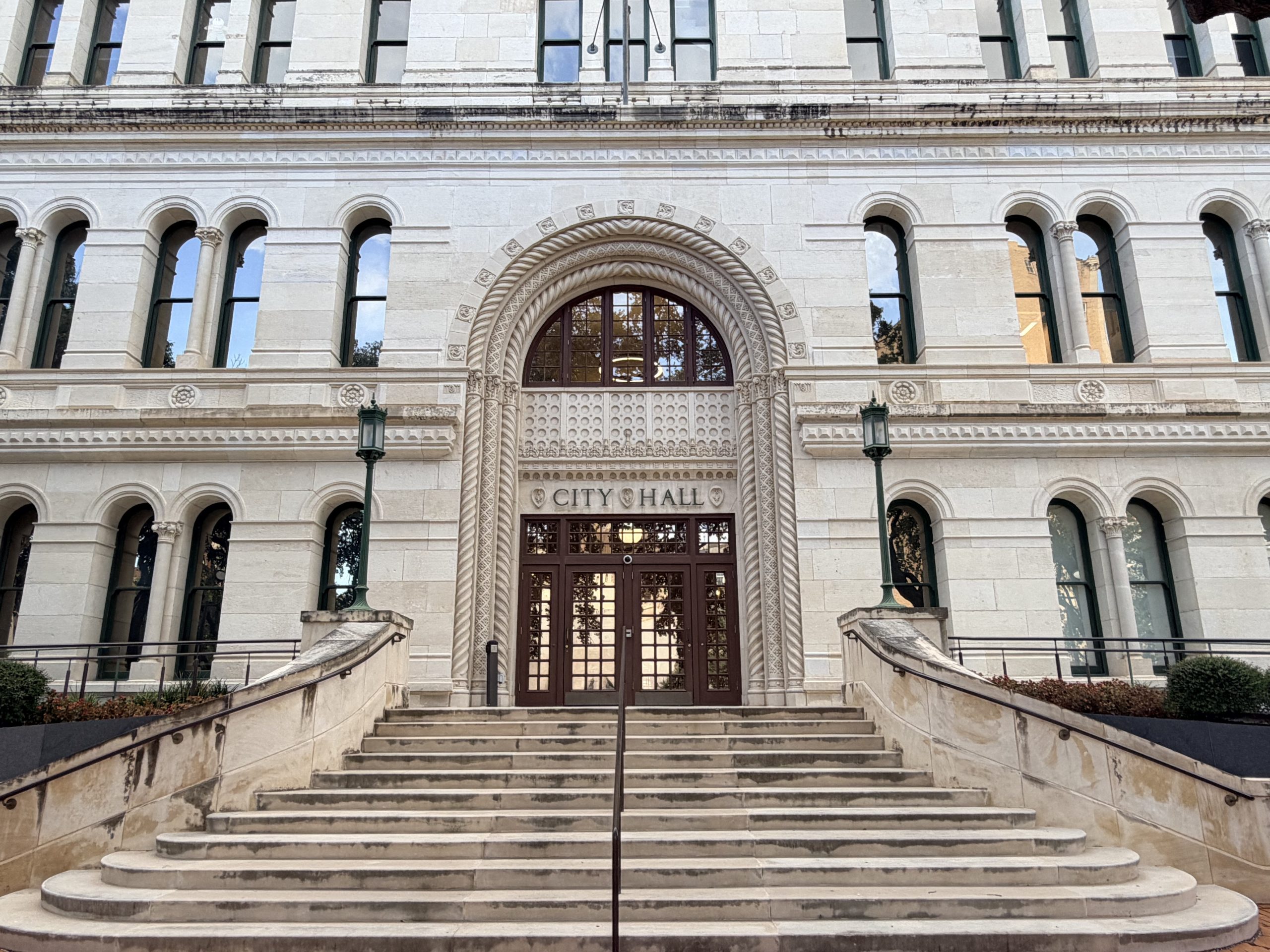
The word “friction” jumps out at me when I think about all the arguing at City Hall over the new San Antonio Sports & Entertainment District (aka Project Marvel). But this friction isn’t just about personalities or politics. It’s about two big, complicated issues: the proposed Sports District and the city’s growing budget deficit.
It’s creating misleading narratives that the Sports District is stealing money away from the city’s budget or that it somehow can be used to fix the city’s deficit.
One is a made-up story and the other is a bad strategy. And this is what I want to address in this article.
Making Money and Losing Money
Like most cities, San Antonio makes its money from a mix of taxes, fees, and other revenue sources. The biggest slice comes from property taxes, followed by sales taxes, CPS Energy payments, and a variety of smaller streams like permits and service fees.
Much of that revenue flows into the General Fund, the city’s main checking account, which pays for core services like police, fire, parks, libraries, and street maintenance.
The problem? There is a financial storm brewing that is finally getting public attention. The city projects a deficit of about $2 million in the current year, ballooning to around $30 million next year, and reaching about $148 million within a few years.
To be fair, it should be said that much of this financial problem didn’t start with the current City Council. Many of these commitments were inherited from decisions made years ago. But now, the bill is coming due.
The Pressure Cooker
San Antonio has been one of the poorest big cities in the country for a long time. We’re also one of the most socioeconomically divided. Add in a slowdown in corporate growth, increasing homelessness, and rising housing costs, and you’ve got a lot of pressure.
That pressure comes from every direction: residents asking for basic services, small businesses trying to survive, families facing rising rents, and community groups pushing for more funding, all while the city prepares to make painful cuts.
When you take the real pressure of everyday citizens struggling to pay their rent and make ends meet, and you multiply it by the pressure City Hall is facing, knowing it’s not making enough money to cover its spending, you create something even more dangerous: poverty as a weapon.
The real poverty San Antonians are experiencing is being weaponized by politicians and activists to attack one of San Antonio’s greatest corporate citizens, the San Antonio Spurs.
The Deceptive Story
“Fix the streets, help the homeless, invest in the city’s infrastructure.”
I saw this comment recently on an Instagram post related to the Sports District, and it’s a perfect summary of what many San Antonians want from their city government. These are real, urgent needs and they deserve real solutions. But this comment also shows how all of these real pain points are helping give rise to a story that’s simply not true: that the Sports District is stealing money away from the city’s budget, or worse, that it’s making the deficit bigger.
This deceptive story has convinced this person on Instagram that the Spurs are draining money away from the city that could otherwise go to, “fixing the streets, helping the homeless, and investing in the city’s infrastructure.” But here’s the reality: even if the Spurs got abducted by aliens tomorrow and the city voted the project down, the deficit would still be there. It’s not as if $1 billion would suddenly appear in the city’s bank account. That’s because the funding sources for the Sports District are legally restricted. They cannot be diverted to pay for parks, homeless programs, or other General Fund expenses.
Anyone that tells you otherwise is lying to you.
A Bad Strategy
Inside City Hall, the pressure is intense. And in my view, it’s leading to bad decisions. In a recent City Council session, Mayor Gina Ortiz-Jones asked the Spurs whether they would consider sharing ticket revenue with the city. This is a dangerous precedent. If the city starts treating private companies’ revenues as money it can claim for itself, it blurs the line between a public partnership and political overreach and risks driving away future employers and investors. I worry that the pressure from the deficit will lead to more risky requests like this one.
All this while the Spurs have committed more than $1 billion towards the Sports District, including $500 million for the new arena, with guaranteed coverage of any cost overruns; $500 million for surrounding private development, and $60 million for community incentives like affordable tickets, transit support, and early childhood programs.
I told a friend of mine the other day, “Only in San Antonio does committing $1 billion get you a fighting chance at doing a deal.” It’s sad to watch as a concerned citizen. But I’m not who we should be worried about.
To any companies, startup founders, innovators, and investors considering a move to San Antonio, it looks like we’re shaking down one of our most loyal corporate partners, and that’s not a good look for our city.
Investing in Our Future
The Sports District is a separate, long-term investment funded through mechanisms that cannot legally be redirected into the General Fund. We’ll get into those in further detail in upcoming articles, but for now, the important thing is this: the District is not competing with the deficit.
What we should be doing, rather than fighting with one of our longest-standing, world-class partners, is investing in our city’s long-term future.
The Sports District is a long-term play, like putting money into a 401(k) or buying stock in a company you believe will grow. It’s the kind of investment that, if done right, can raise our tax base, attract major employers, and create opportunities for the next USAA, the next H-E-B headquarters, or the next wave of small businesses that will hire local talent. Over time, that growth in tax revenue helps stabilize the city’s finances and chip away at the very deficit that has people so worried today.
This is how we improve the economic future of all San Antonians, not by tearing down the partners willing to invest here.
How Our City Invests in Big Projects
In one of the next two articles, we’ll dig into how the city actually invests in major projects like the Sports District. Most people don’t realize the city has an entire toolbox of funding mechanisms, each with its own rules, limitations, and purpose. It’s fascinating stuff, but it’s also packed with acronyms, jargon, and unfortunately, a lot of misinformation.
Yes, there will be “nerdy” financial terms. But that’s exactly what The Urban Nerd is here for: to unpack them, cut through the noise, and make it clear how these tools really work. Stay tuned…
Citations
City budget deficit projections and revenue sources: San Antonio Report
Socioeconomic data and poverty rankings: MySA
City Council discussion of revenue sharing with Spurs: Texas Public Radio
Spurs $1B+ commitment to arena, development, and community incentives: San Antonio Express-News
Funding mechanisms for major city projects: San Antonio Business Journal
Project Marvel scope and context: San Antonio Report