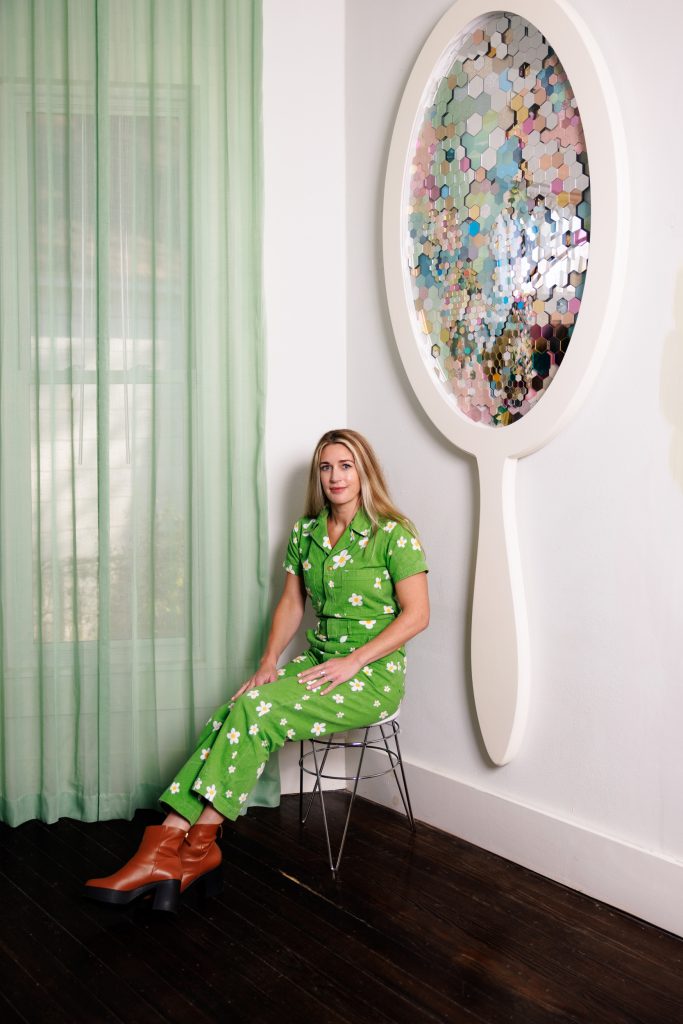
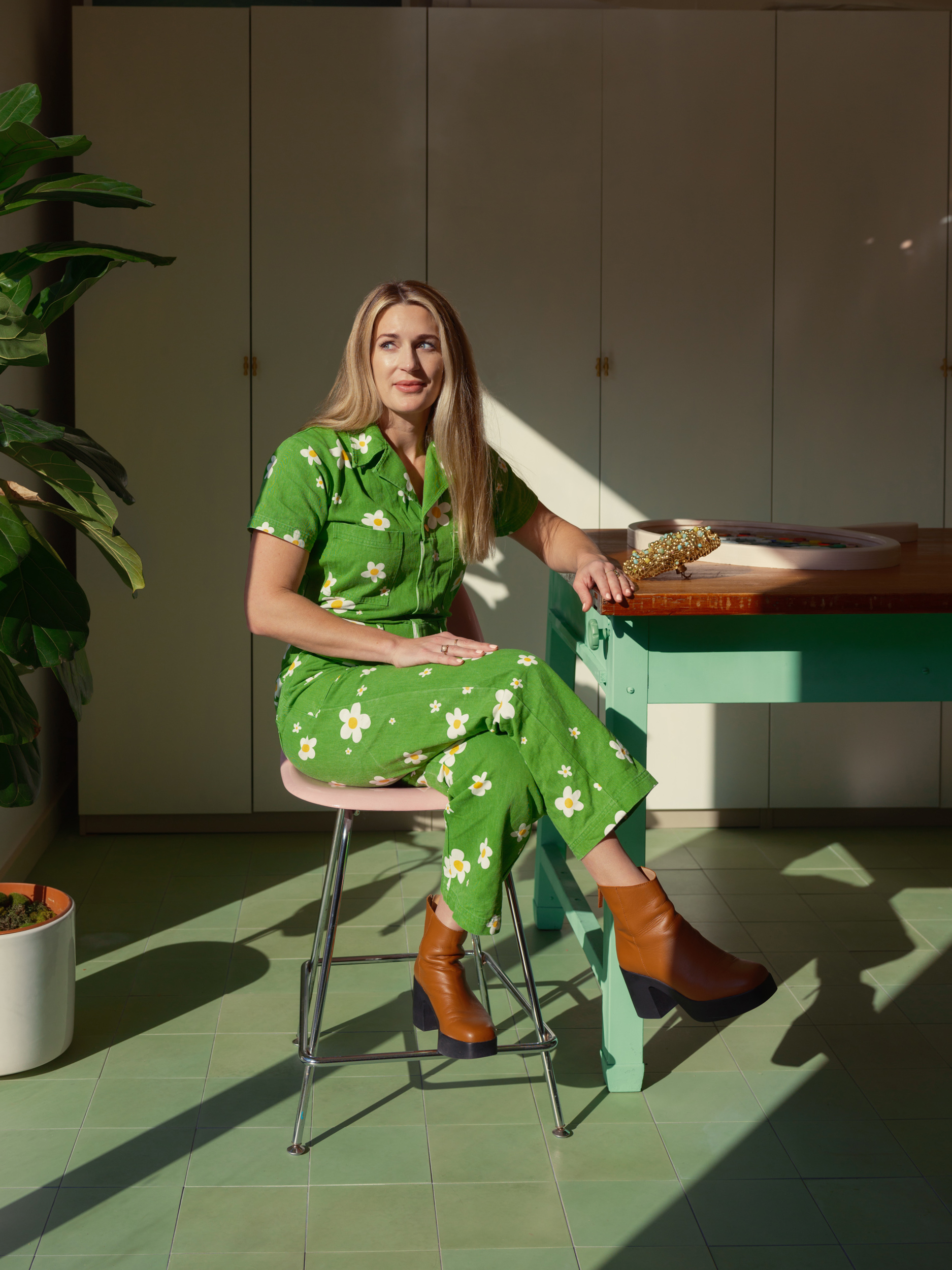
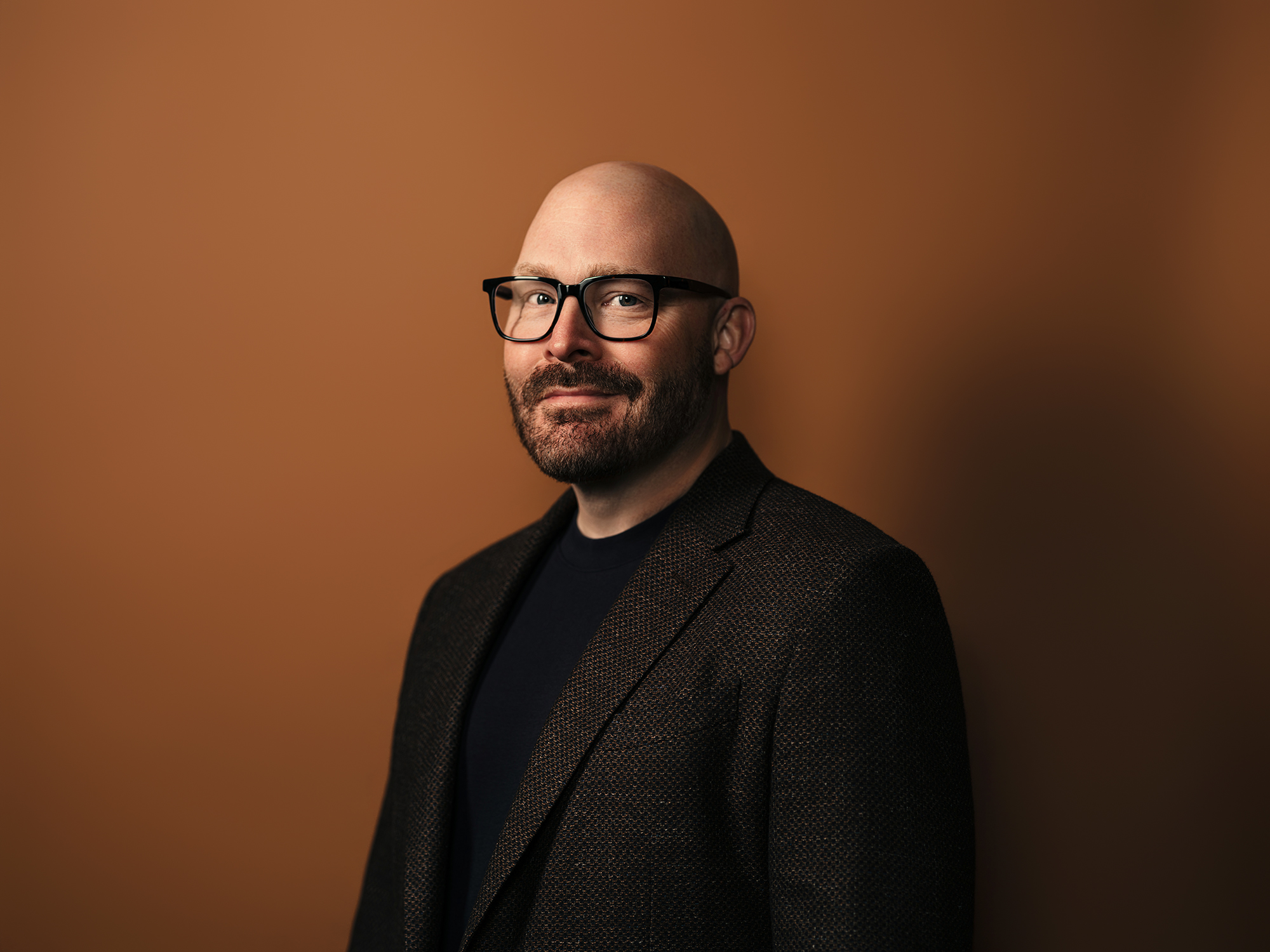
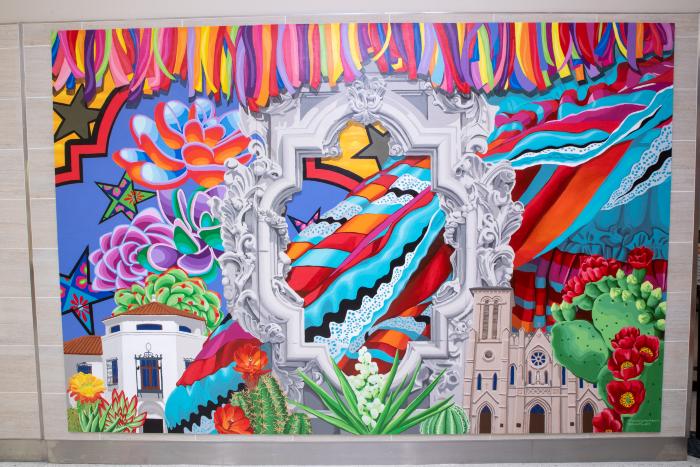
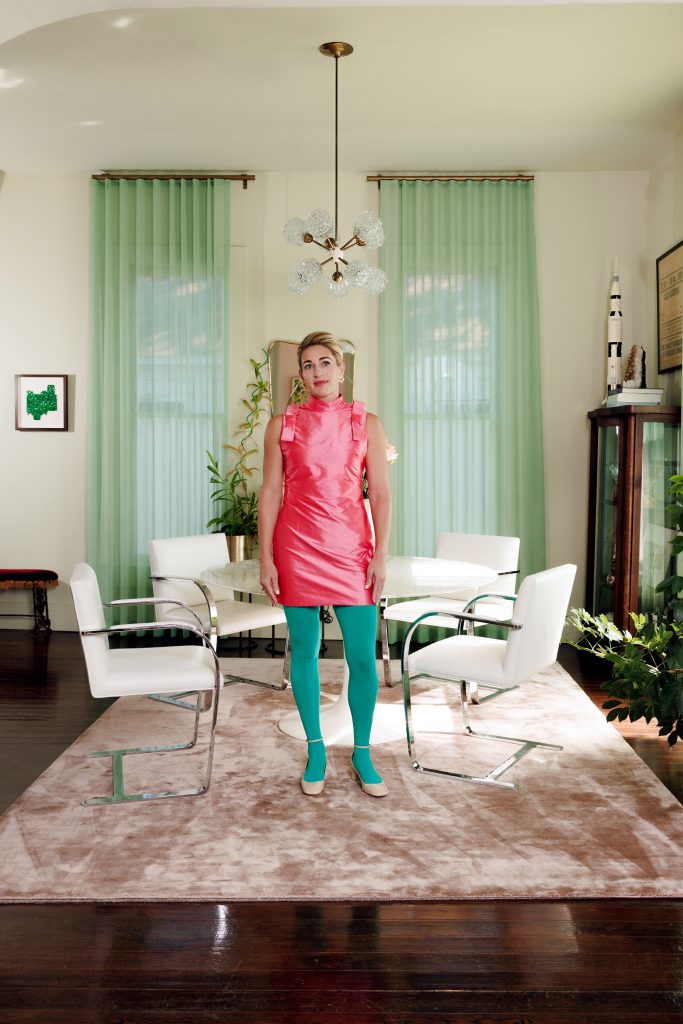
San Antonio has given me something rare as an artist: the space to grow. Space to carve out a studio, space to raise a family, and space to experiment without fear. My practice is about piecing fragments together—collage, found images, bits of history and memory—and this city has allowed me to weave those fragments into a life as well.
Over nearly two decades, that balance has sustained me. My work has reached museums and galleries across Texas and beyond, and it has been acquired by collections like the McNay Art Museum and the Ford Foundation. But the foundation of my practice, and the rhythms that make it possible, remain here.
I could live anywhere. Yet San Antonio continues to offer both the grounding and the inspiration I need to create.
Building a Practice in San Antonio
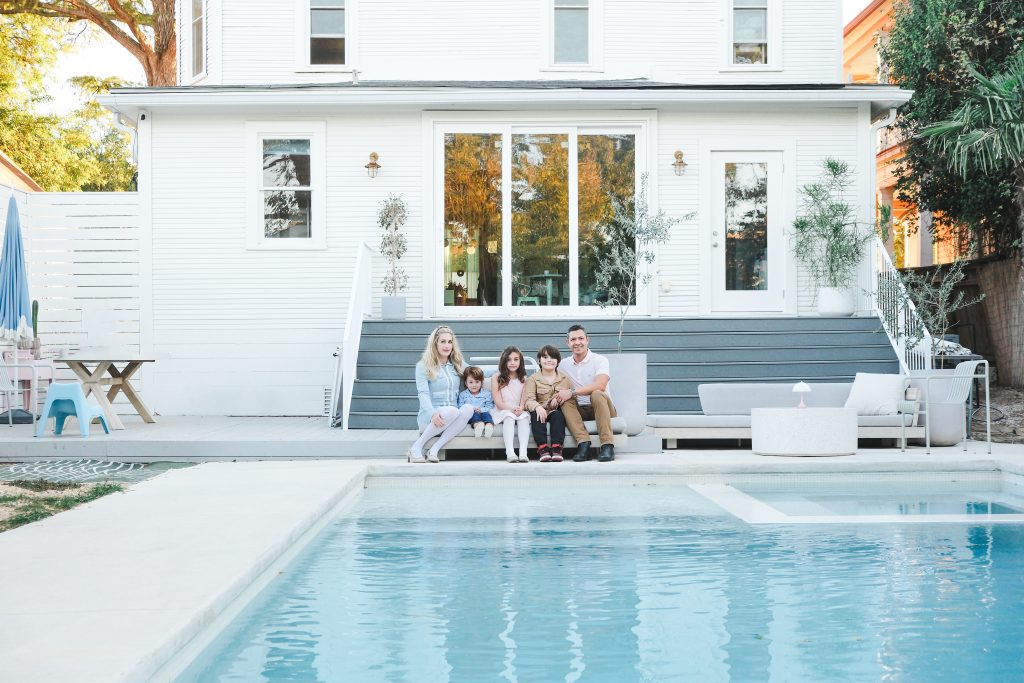
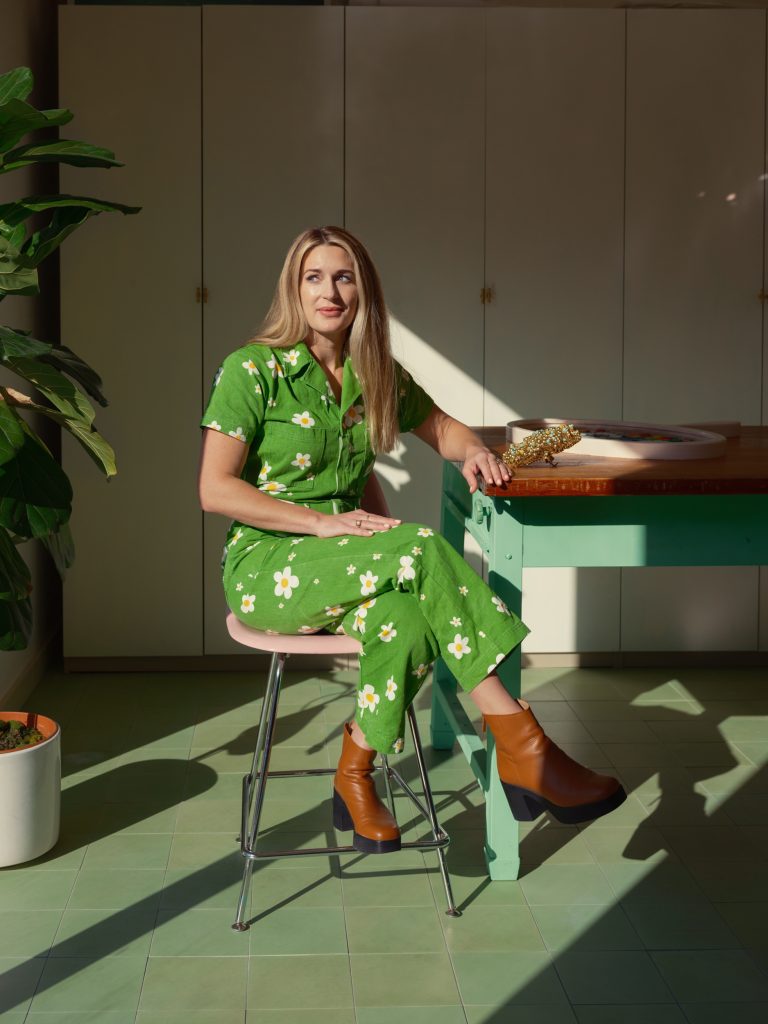
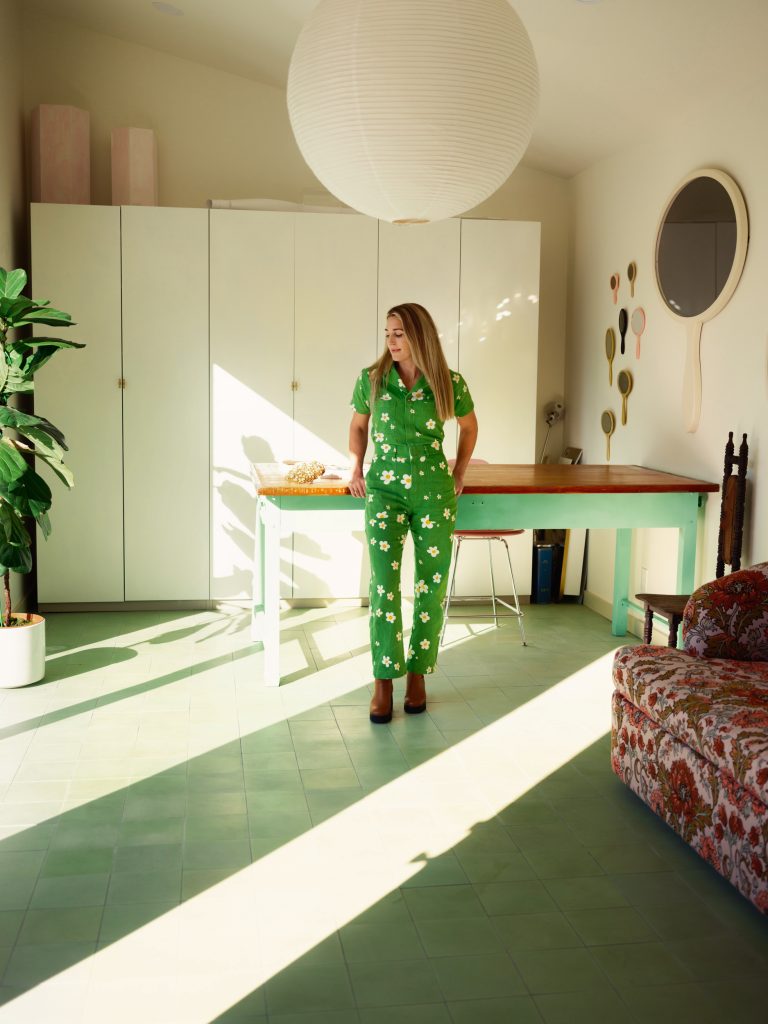
One of San Antonio’s greatest gifts is affordability. Long before I owned a home, I was able to rent properties with enough square footage to dedicate to studio work. In 2013, I found a house in Dignowity Hill with room to grow a family. Just last year, I built my first stand-alone studio in the backyard. Being centrally located near the city’s cultural hub has kept me immersed in the artist community while also deeply tied to the microcommunities—schools, gyms, neighbors—that form the daily rhythms of life here.
Those efficiencies matter. I can send my children to an excellent public school (thank you SAISD Choice Schools), keep my family rooted in the city’s cultural core, and still have time and space to create. That peace of mind allows me to focus on the studio—where the real risks, labor, and rewards of being an artist take shape.
“San Antonio gives me the space to balance family and studio life—a rare privilege for any artist.”
The Work Behind the Recognition
Being an artist is one of the greatest risks, but also one of the most rewarding livelihoods. Putting something out into the world for others to critique is vulnerable, and history hasn’t often rewarded artists with the most sustainable business models. I feel incredibly fortunate that my practice sustains both my passion and my family.
Behind every museum acquisition or gallery show is years of labor, experimentation, and the courage to keep pushing forward. The visibility I’ve gained through San Antonio’s gallery scene—starting with my first solo exhibition at Joan Grona Gallery in 2007—gave me confidence to send my “weird ideas” into the world. Those opportunities snowballed into exhibitions at the McNay, San Antonio Museum of Art, and The Contemporary at Blue Star, and eventually inclusion in the Texas Biennial. From there, my work traveled to museums across Texas and into national collections.
A City of Influence
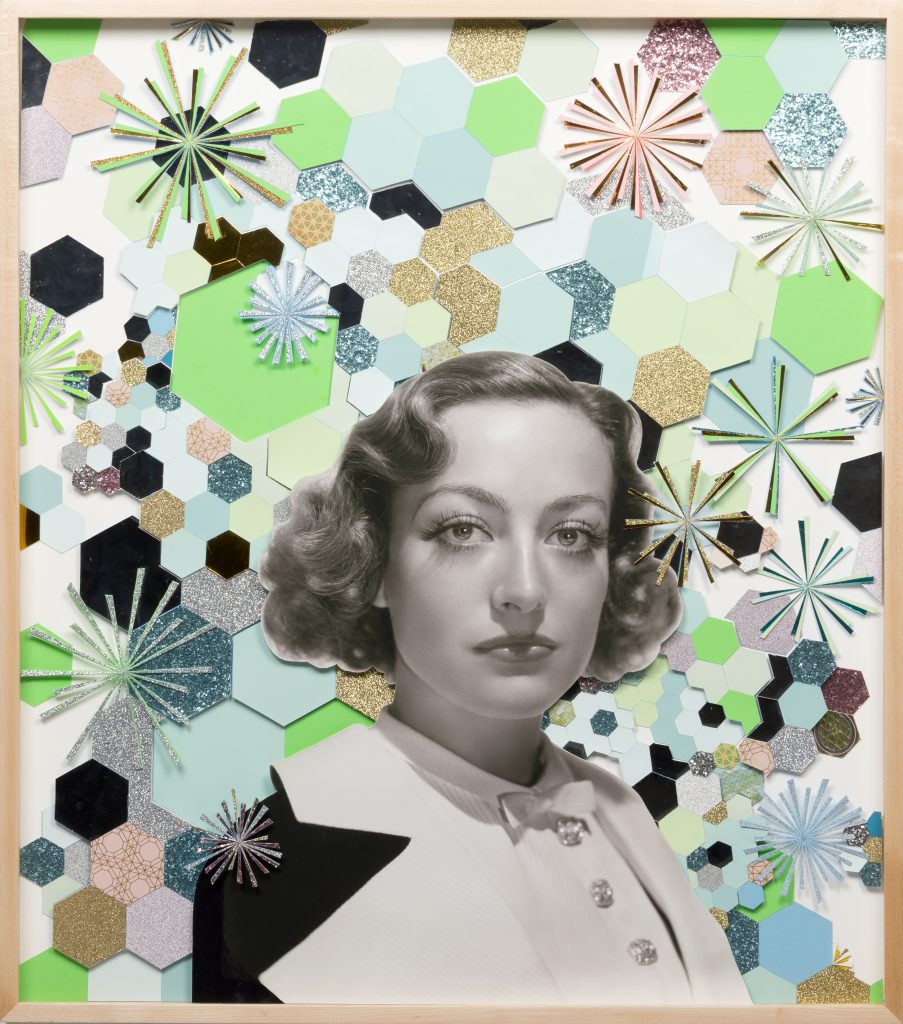
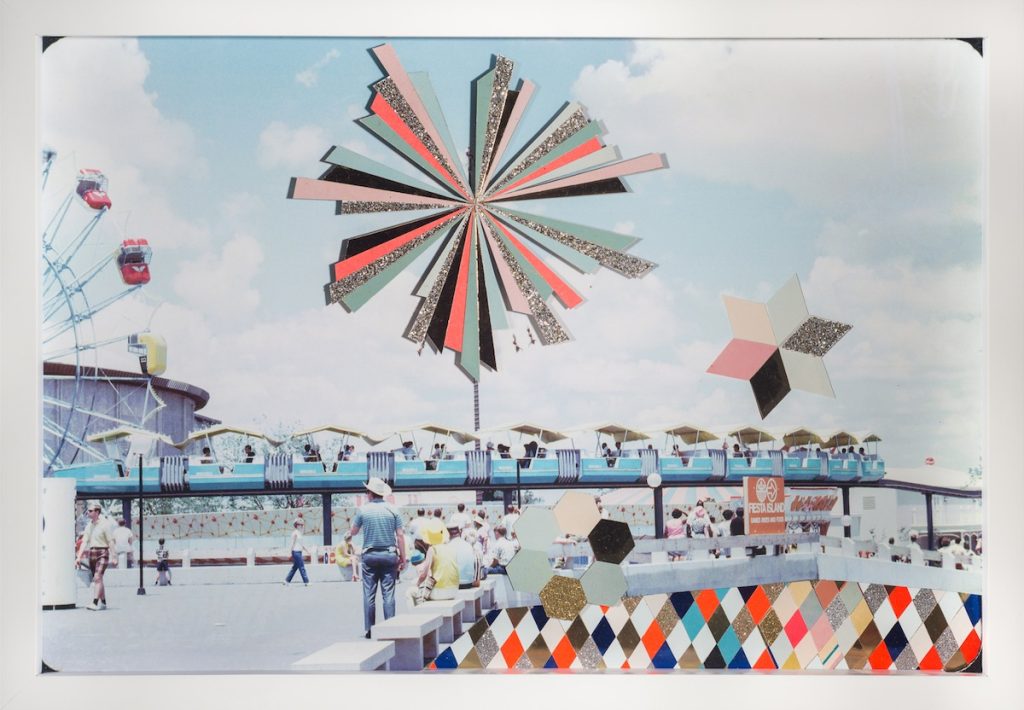
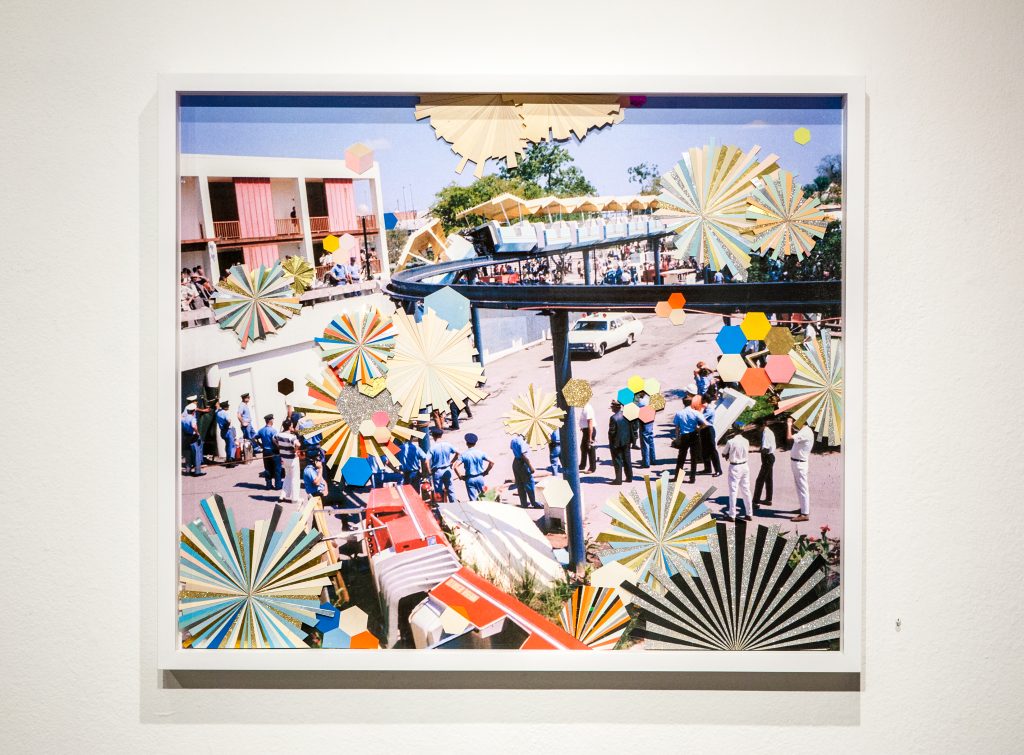
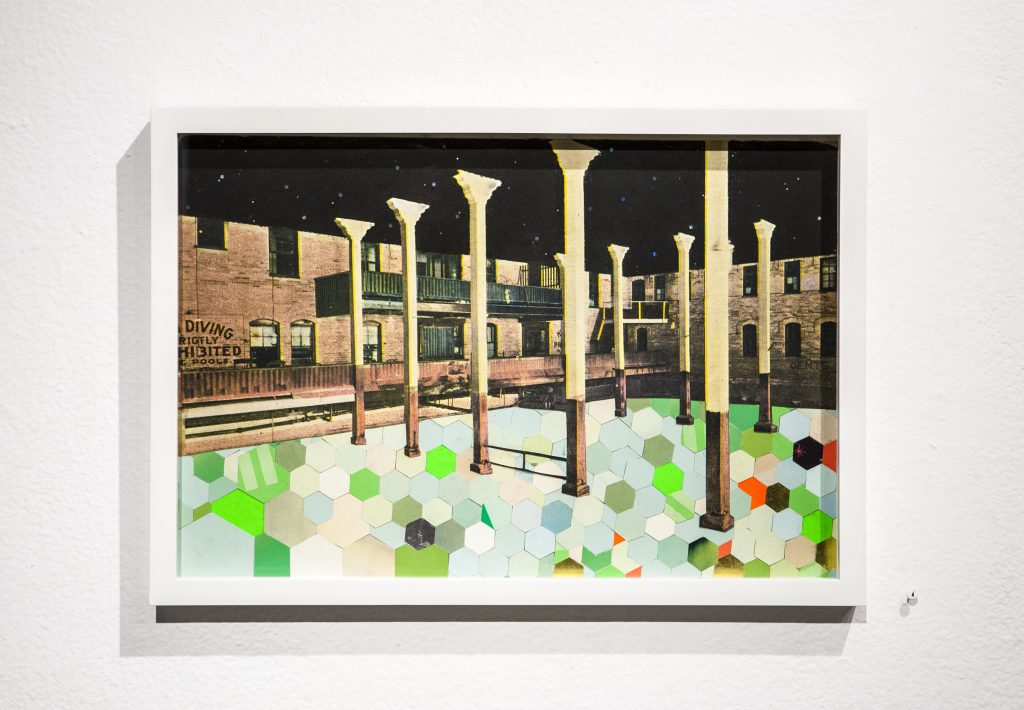
San Antonio’s architecture and cultural history are constant sources of inspiration. Hemisfair ’68 and its mid-century modern aesthetic have appeared in many of my works. One of my core childhood memories is riding the sky buckets (later relocated to the Sunken Gardens), an experience that shaped how I think about nostalgia and fabricated environments. I’ve also incorporated imagery from places like the Hot Wells Resort and icons like Joan Crawford, tying local histories into the larger narratives my collages explore.
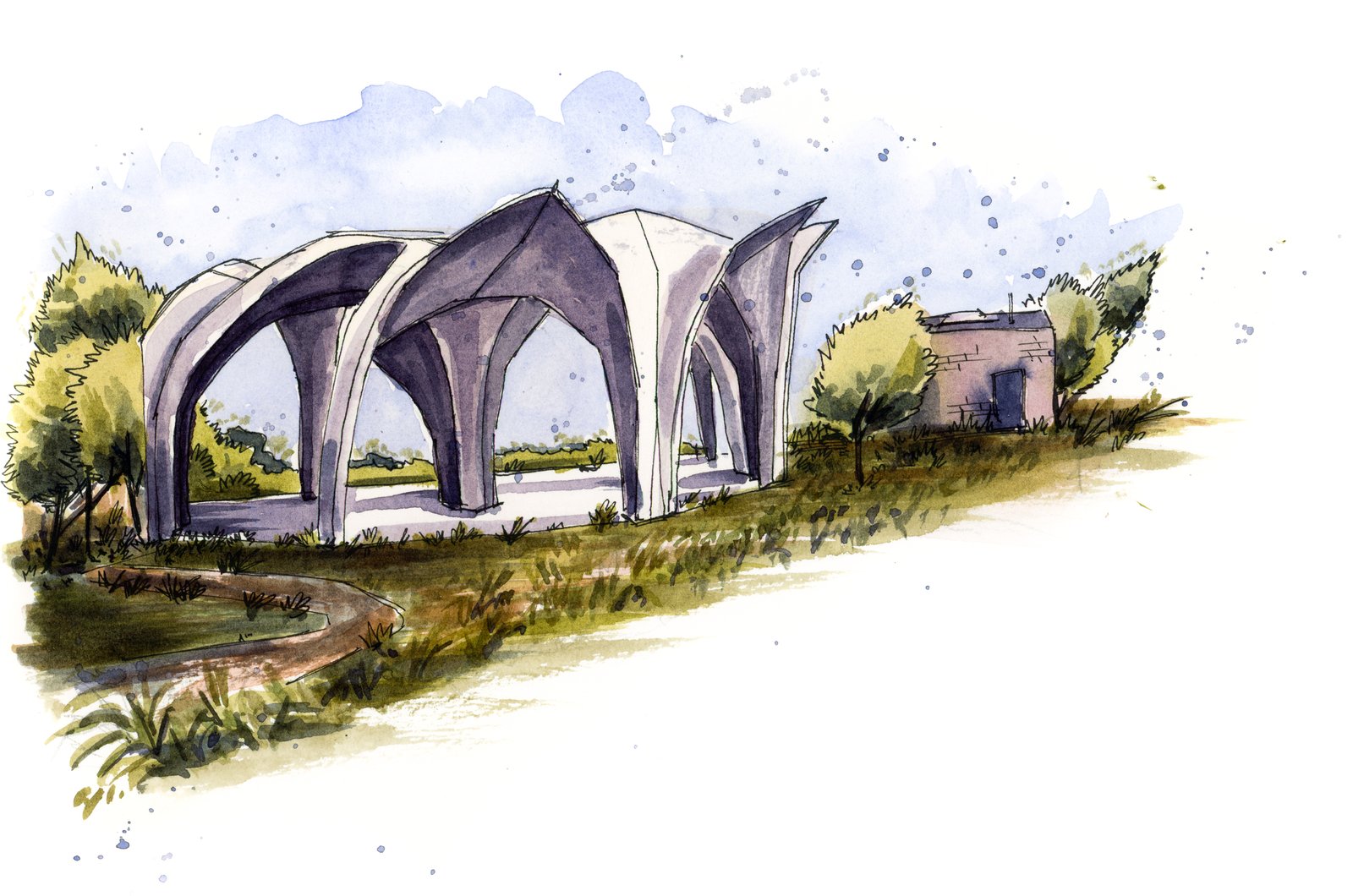
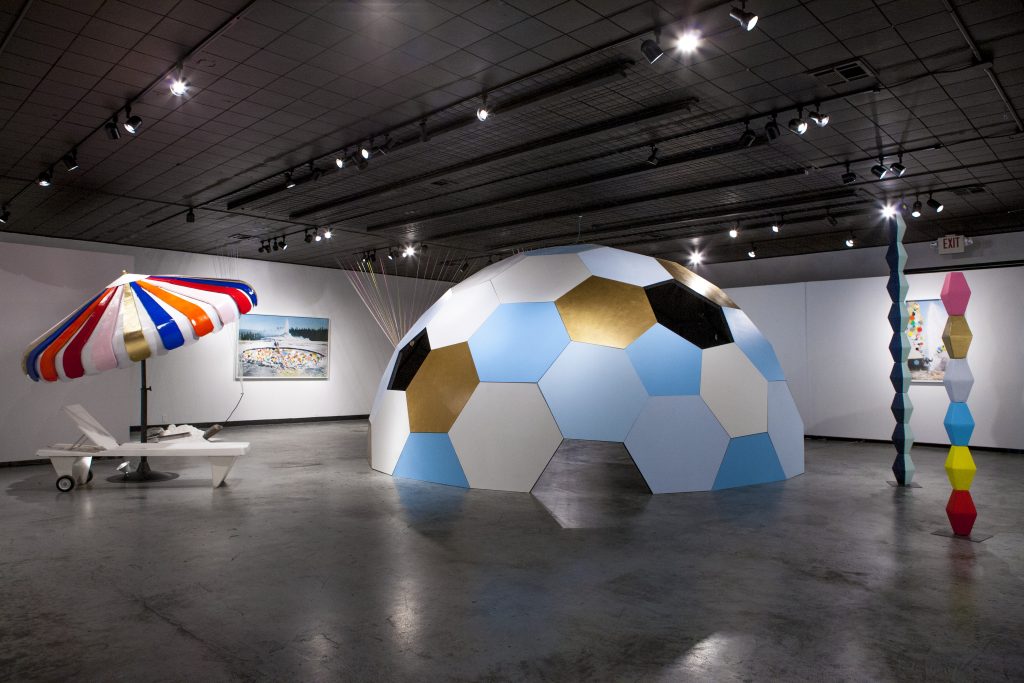
Even my large-scale installations draw on this place. For a project at Women & Their Work in Austin, I created a geodesic dome—a nod to the World’s Fair and the utopian ideals it represented. Living here allows me to draw from San Antonio’s cultural fabric in ways that keep my practice distinctively rooted, even as it speaks to broader conversations in contemporary art.
“San Antonio’s cultural history—from Hemisfair ’68 to Hot Wells—continues to shape the narratives I build in my work.”
Community and Accessibility
San Antonio has always supported experimentation. Institutions like Artpace, with its world-renowned residency program, have brought leading artists into our community and elevated the city’s visibility. Being part of that ecosystem, alongside galleries, curators, and collectors committed to the arts, makes me proud to call this place home.
I’ve also worked to make my art more accessible through XOKO by Kelly O’Connor, where I produce small-batch prints, greeting cards, and memorabilia. My original works may only land in a dozen collections each year, but through XOKO, a broader audience can connect with and collect pieces of my world. Diversifying my practice has been essential—not only financially in a volatile economy, but also spiritually, as it ensures my work isn’t confined to one model.
Why I Stay
The moment I realized I didn’t need to leave San Antonio to reach ambitious new audiences was when the Ford Foundation in New York acquired my work. That validation confirmed that I could maintain a studio practice here while connecting with collectors and institutions elsewhere. My gallery representation ensures my work circulates beyond Texas, while my home in San Antonio gives me the grounding I need to keep creating.
Ultimately, San Antonio creates an environment where family and art coexist. It gives me the balance to raise children, sustain a studio practice, and remain connected to a community I care deeply about.
I could live anywhere. But San Antonio gives me both the space and support I need to make art that challenges, risks, and dreams. And that makes it more than enough.
“I could live anywhere. But San Antonio gives me both the space and support I need to make art that challenges, risks, and dreams.”