

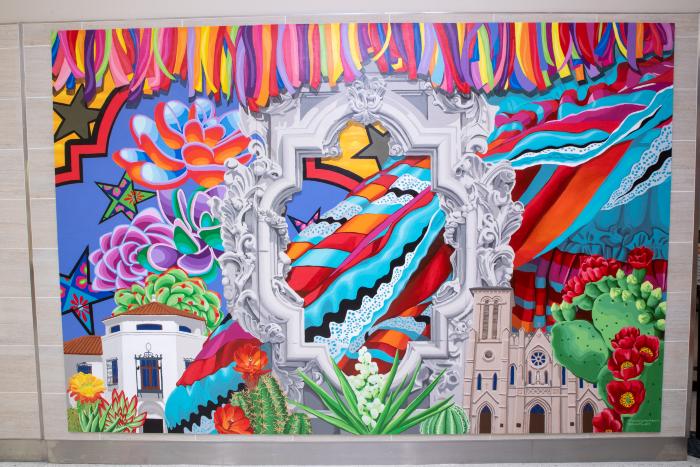
San Antonio is about to grow by a million people. Are we going to build walls—or build community?
Several years ago, I was at a community event hosted at Geekdom downtown. I struck up a conversation with a kind woman who lived in Tobin Hill, which I had just moved into. I told her how much I loved being walking distance from The Pearl and just a quick drive downtown.
We started talking about San Antonio’s growth, and her tone suddenly changed.
“Isn’t it just awful, all these new apartments going up?” she asked.
I looked at her, puzzled, and said innocently, “Well, you know we need a lot more of them, right?”
“What do you mean?” she asked, clearly alarmed.
I replied, “Over the next 15 years, a million more people are moving to San Antonio. We don’t have a million new homes for them, so our entire city is going to have to make room. Our neighborhood probably needs thousands of new dwellings.”
I’ll never forget the look on her face. Shock. Disgust. Anger.
Like I’d kicked her dog and insulted her grandmother.
The idea of her neighborhood getting more crowded was unthinkable. And that, dear friends, is what I want to talk about.
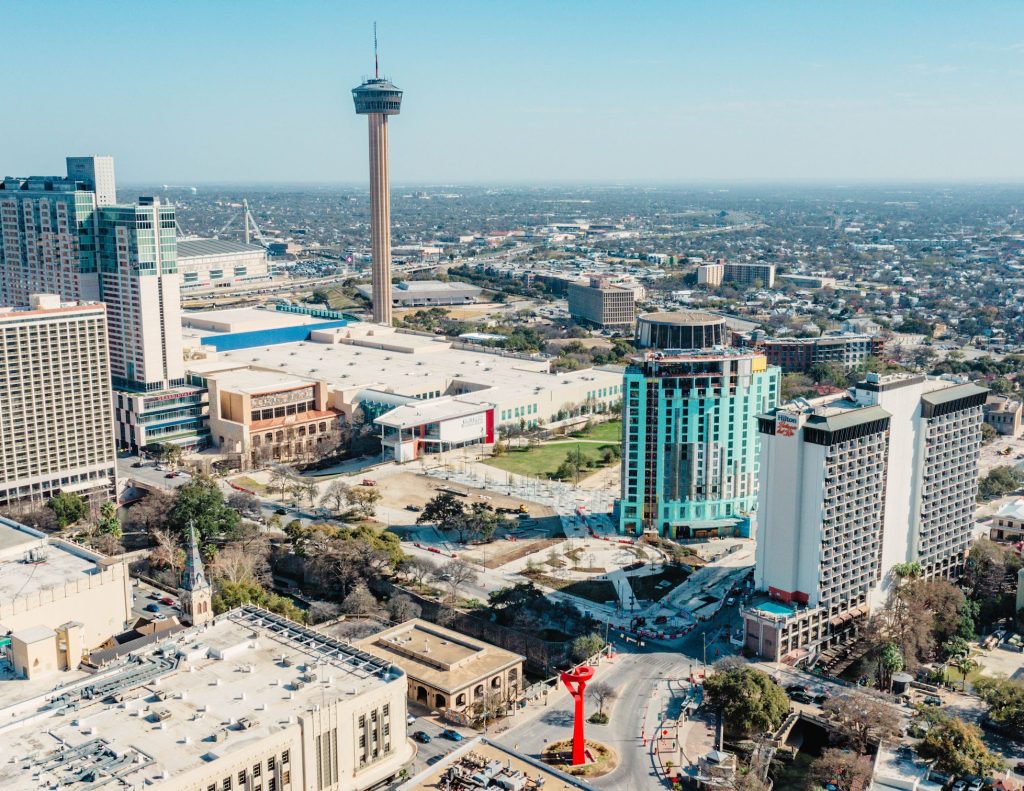
The Numbers
Bexar County’s population is projected to grow by 1.1 million people by the year 2040. This will soon be our city’s new reality, based on studies going back to 2016. And the growth is already underway — between July 2022 and July 2023 alone, San Antonio added 22,000 new residents, part of a steadily accelerating trend across the region.
Zooming out, the greater San Antonio–Austin corridor is already home to three of the fastest-growing cities in the country: San Marcos (2013), New Braunfels (2015), and Georgetown (2022). This region is on the move.
As this wave of new people comes to Texas, you’re going to see San Antonio and Austin get denser—especially with younger residents looking for opportunity and lifestyle. Meanwhile, the small towns between them will transform from sleepy stopovers into thriving “middle grounds.” Once considered exurban outposts, places like Lockhart are already attracting artists and creatives who want the charm of a small town with a manageable commute to Austin. Expect the same in places like Poteet, just south of San Antonio, and Horseshoe Bay, out in the Hill Country with a laid-back vibe, not too crowded, and a solid option if you want some peace and quiet without giving up access to big-city jobs.
So whether you see it as good news or bad news, the real news is: the people are coming.
As a city, we have a choice in how we respond.
Option One: The Moat Mentality
We can bury our heads in the sand and complain. Some neighborhoods, especially in the urban core, have spent years blocking new development. But even if you outlaw apartments and try to freeze your area in time, it won’t stop the inevitable. Those 1.1 million people are still going to live here. They’re still going to drive on your streets. You can’t moat your way out of a regional transformation.
Option Two: Plan Like It’s Real
The better path? Plan. Prepare. Embrace.
As of this writing, we’re about a month out from a city election that will decide our next mayor and city council. We need leaders who will:
- Embrace high-density infill where it makes sense
- Invest meaningfully in mass transit and mobility
- Think regionally, not just municipally
- Make room for future residents without losing San Antonio’s soul
And yes, that’s the heart of it: people don’t want our city to lose its character. I get that, I agree, and we should protect it.
But here’s something worth remembering.
Culture Isn’t Fragile—It’s Contagious
My childhood friend, Dax Moreno, once told me:
“Most people move to San Antonio because of the culture—not to change the culture.”
That’s stuck with me ever since.
San Antonio is often called the Big City, Small Town. And the big city part? It’s about to get a whole lot bigger. But that doesn’t mean we have to lose the small-town part—if we choose to welcome rather than wall off.
Sure, some folks will show up and do dumb stuff. But others will bring energy, talent, and love for this place. People like my friends Steve and Marisa Cunningham, who moved here from Canada to start an amazing AI training company. Or like Mike Vasquez, a veteran and former firefighter from Long Beach, who now spends his days championing downtown SA with all the enthusiasm of a local lifer.
So instead of seeing our new neighbors as outsiders or threats, let’s recognize them for what they are:
Future San Antonians. Fellow City Builders. Co-authors of the next chapter of this city we love.
Citations for Stats in “One Million New Neighbors”
Source: San Antonio Report
Bexar County’s population is projected to grow by 1.1 million by 2040:
Source: San Antonio Express-News, “The Next Million”
San Antonio added 22,000 new residents between July 2022 and July 2023:
Source: U.S. Census Bureau via KSAT
Fastest-growing cities in the U.S. from the region:
San Marcos (2013), New Braunfels (2015), Georgetown (2022):
Source: U.S. Census Bureau Fastest Growing Cities Lists, Various Years
San Antonio’s metro population estimate for 2024:
Source: Federal Reserve Economic Data (FRED)
Surrounding county growth (Comal & Guadalupe Counties):
Source: Wikipedia – San Antonio–Austin Metroplex
Horseshoe Bay population growth (100.5% since 2000):
Source: Biggest US Cities – Horseshoe Bay, TX
Castroville projected population growth (doubling in next 5–7 years):
Source: News 4 San Antonio
San Antonio’s Hispanic population projection (1.5M by 2030):