



A few years ago, I was speaking with someone trying to raise capital for a new apartment complex in San Antonio. He said to me in frustration, “I’ve never seen anything like this. Not one investor.”
He had the land, the pro forma, the vision—all of it buttoned up. But no investor would bite. I remember thinking, That’s strange. Isn’t real estate supposed to be the safest investment out there? Surely some savvy investor would jump in.
How naïve I was.
That conversation opened my eyes. My friend didn’t mean to, but he was teaching me how real estate really works—and how incomplete our public understanding of it often is. When it comes to affordable housing, the story we’ve been told isn’t necessarily wrong. It’s just missing some key chapters.
Let’s start with the pain point: there simply aren’t enough housing units, and the ones that exist are too expensive for most San Antonians. To fix this, we need both houses and apartments, but in the urban core, apartments matter most. These areas already have a dense supply of single-family homes. There’s limited space to add more horizontally, so the only path forward is up—and that means multifamily.
Apartments also offer flexibility. Leases can be short-term, and projects can deliver scale. But as I wrote in a previous piece, if we don’t dramatically increase supply, prices will continue to climb.

There is, however, one crucial caveat: we have to build the right kind of supply. Everyone agrees on the “what”—more affordable apartments. The real battle is over the “how.” That’s where things get messy. And for a long time, I didn’t understand that either.
I once heard a political activist say, “Why can’t the greedy developers just take a 5% profit instead of 10%, so we can make housing more affordable?” At the time, I was still working in the tech world and didn’t know anything about real estate. Now, I understand how misguided that question really is.
The problem with the “greedy developer” narrative is that it ignores how money actually moves. Building a 100-unit apartment complex costs, on average, at least $23 million—and often much more. That kind of capital doesn’t just appear. It’s raised from investors who have options. If a project offers only a 5% return, many will walk away and put their money into safer, simpler investments—like Treasury bonds, mutual funds, or commercial assets with fewer risks and higher yields. I couldn’t explain how those investments work – but I know this: we need fewer dollars chasing stocks and bonds, and more going into building the housing we desperately need.
I was recently on the All Things San Antonio podcast and I jokingly said, “It’s not like rich guys just write a check for the full cost of a development,” and someone replied in the comments, “A rich guy could… but won’t.” And that’s the point. It’s not about whether someone could—it’s about whether they will. If the math doesn’t work, the check doesn’t get written.
And the risks in housing development are real: construction delays, rising material costs, fluctuating interest rates, and San Antonio’s favorite obstacle—political opposition. Investors aren’t villains for expecting a return that reflects those risks—they’re just doing what any rational investor would do when putting millions on the line.
If we want more affordable housing, we have to make it worth someone’s while to build it. That doesn’t mean making developers rich at the public’s expense. It means aligning incentives—because capital is mobile. If building in our city doesn’t pencil out, the money simply goes somewhere else, and nothing gets built. Hoping someone will lose money out of kindness isn’t a housing strategy—it’s a fantasy.
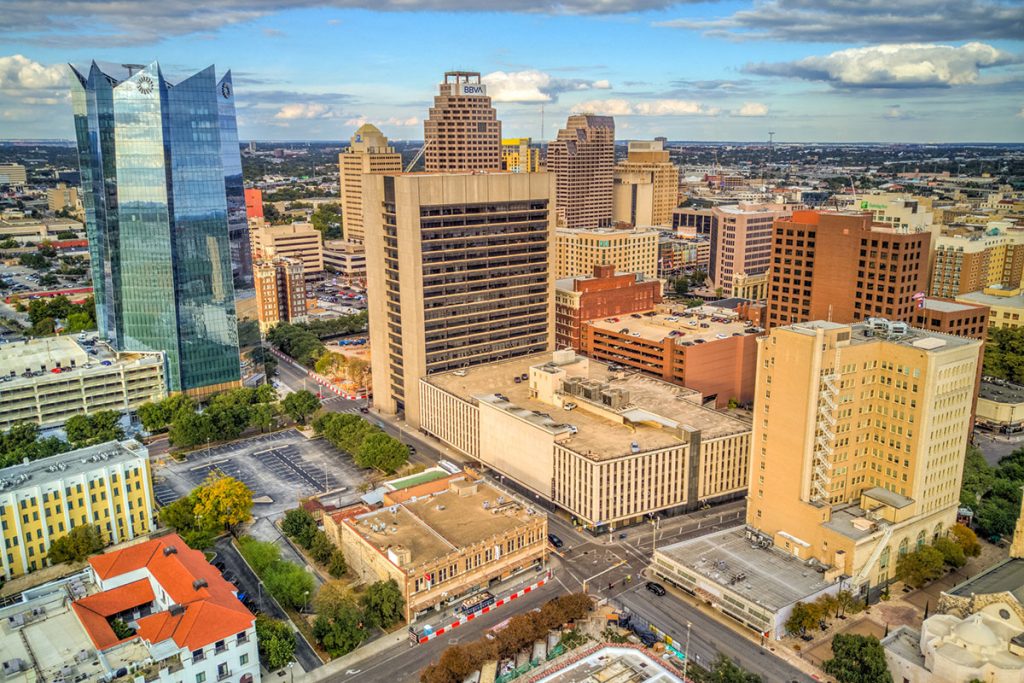
There is a real-world example of how things can work—one that happened right here in San Antonio. In 2010, Mayor Julián Castro launched the Center City Housing Incentive Policy (CCHIP) to revive the downtown core. At the time, no one was building housing downtown. The numbers didn’t work.
So the city made the numbers work. Through a mix of incentives—property tax rebates, fee waivers, SAWS impact fee reductions, and public infrastructure grants—San Antonio lowered the cost and risk of downtown development. In return, developers built.
From 2012 to 2020, those incentives directly led to 6,810 new housing units and over $1 billion in private investment downtown. It was one of the most successful urban development pushes in the city’s history.
But in December 2018, the City Council voted to suspend the program, citing concerns about affordability. Since then, housing production in the urban core has plummeted. In 2017, the city approved 1,700 units through CCHIP. By 2021, that number dropped to just 269 units.
And prices? In 2012, downtown one-bedrooms often rented for $900 to $1,100. Today, that same apartment will run you an average of $1,574. The units we didn’t build back then are costing us now.
The hard truth is this: if we want more housing, we need to incentivize developers to build again—but to build the right kind of housing. That means creating policies that reward affordability, density, and proximity to transit. It means forming smart public-private partnerships that lower risk without giving away the farm. And it means treating developers not as enemies, but as essential partners in solving a very real crisis.
Because until we do that, we won’t get affordable housing. We’ll just get more expensive housing—and more blame.
Citations
- Cost to build a 100-unit apartment complex
- $23 million+ average (national low-end estimate)
- Source: Fixr.com — How Much Does It Cost to Build an Apartment Complex? (2023)
- Investor preference for alternative returns (Treasury bonds, etc.)
- While not a specific figure, this is supported by comparisons in real estate finance literature. For example:
- Source: Willowdale Equity — Cost to Build an Apartment Complex
- Center City Housing Incentive Policy (CCHIP): 6,810 units built + $1 billion investment
- Source: San Antonio Heron — A Guide to CCHIP (2019)
- Also referenced in:
- Source: San Antonio Express-News — [CCHIP impact summary and 2020 updates]
- San Antonio City Council suspends CCHIP – December 2018
- Source: San Antonio Express-News — City Council suspends housing incentives (2018)
- Unit production decline: 1,700 units in 2017 → 269 units in 2021
- Source: San Antonio Heron — Tracking CCHIP project approvals
- Downtown rental prices:
- 2012 estimate: $900–$1,100/month for 1BR (based on historical listings and market trends)
- 2024 average: $1,574/month for a downtown 1BR
- Source: Zumper — Downtown San Antonio Rent Trends (2024)